Grandchildren can turn a quiet pool day into the best part of the week. They can also move faster than I expect, especially when a favorite toy, float, or splash catches their attention. Because these moments happen so quickly, focusing on drowning prevention is the most important step I take to ensure my home remains a safe place for the family to gather.
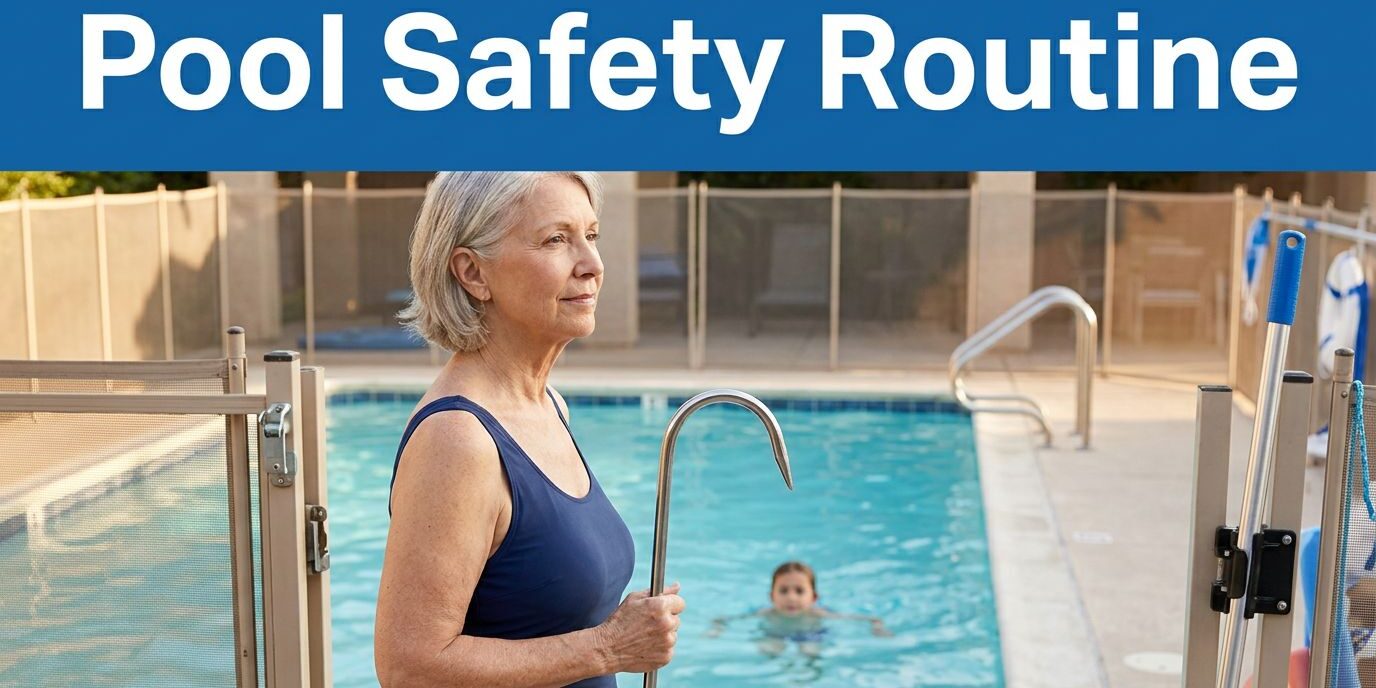
I never rely on one safety measure. A dependable pool safety routine combines a secure barrier, active supervision, clear family rules, and practice before anything goes wrong. When I set those pieces up before the grandchildren arrive, I feel calmer and everyone enjoys the water more.
Key Takeaways
I establish clear pool safety rules with the children’s parents before any swim time begins.
I perform regular pool maintenance checks on the pool safety fence, gate, alarms, deck, tile, and grout.
I assign one designated water watcher to supervise the pool without the distraction of phones or other devices.
I keep essential rescue equipment visible at all times and practice the steps for calling 911.
I consistently follow the same arrival, swimming, and pool closing routine during every visit.
Start with a shared plan before the grandchildren arrive
I begin with a conversation, not a swimsuit. I ask the children’s parents about swimming lessons, medical needs, approved flotation devices, nap schedules, and any rules they already use at home. Knowing how they progress in their swimming lessons helps me understand their comfort levels. I also want to know if they have started to learn to swim in a way that translates to the specific environment of my pool. This prevents confusion when everyone is together.
A young child with good water competency may still need an adult within arm’s reach. A child who is comfortable in shallow water may panic after slipping, even if they have been through training. In fact, it takes just two inches of water for a child to drown. I want to know these details before the first splash, not while I am trying to manage several children at once.
I also agree on simple house rules for water safety. For example, no one enters the pool area alone, nobody runs on the deck, and children ask before getting into the water. I use the same words every visit. Short rules are easier for children to remember and easier for adults to enforce.
The swimming plan should include who watches the water. If several adults are present, I do not assume someone else is paying attention. I name the person directly and set a handoff when that person needs a break.
I like the guidance in PoolSafely’s advice for grandparents, especially the focus on assigning an adult water watcher. The person watching should stay near the pool, keep distractions away, and know exactly when another adult takes over.
A family discussion can also help when grandparents and parents have different comfort levels. A recent grandparent pool safety conversation shows why direct supervision and clear expectations need to be discussed ahead of time. I would rather have one slightly awkward conversation than leave an important rule unclear.
Build the physical pool safety routine around the pool
I want the pool area to be difficult for a child to access without an adult. Installing robust safety barriers is one of the first things I check. Effective isolation fencing should fully separate the water from the house, patio, and other areas where children play to minimize risks.
The gate gets special attention. I ensure it is a self-closing gate that latches securely every time. I never prop it open for convenience, even when I am carrying towels or bringing food outside. A gate that stays open completely defeats the purpose of the barrier.
I walk the entire fence line before family visits to identify potential hazards. I look for loose sections, damaged mesh, gaps, or leaning posts that a child could exploit. I also remove chairs, toys, and pool floats that could provide a boost to reach over the barrier. During this walkthrough, I also check that all drain covers are secure to prevent the risk of suction entrapment.
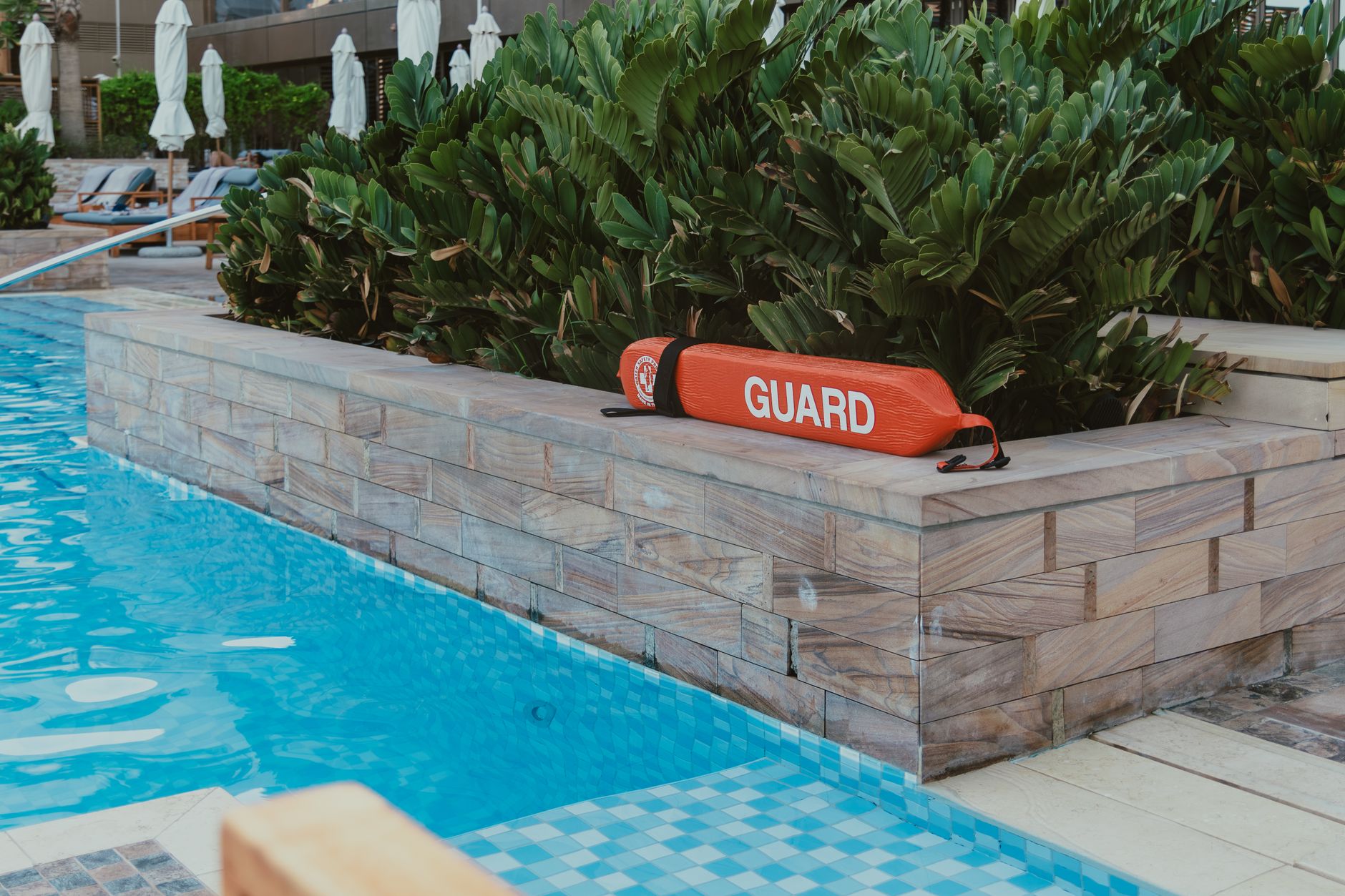
Photo by Kate Trysh
The deck deserves a close look, too. Wet tile can become slippery, and cracked grout can create rough edges or trip points. I replace or repair damaged surfaces, keep walkways clear, and wipe up standing water when possible. Small maintenance problems can quickly become bigger hazards during a busy day of swimming.
I never treat pool covers as the only form of protection. While these covers can be difficult for children to remove, they are not a replacement for a locked barrier and constant adult supervision. Likewise, pool alarms may provide another layer of warning, but I still prioritize keeping the gate secured and the perimeter checked.
For homes in Southwest Florida, a removable mesh pool safety fence can create a clear separation while keeping the water visible. Families who need help comparing options can contact Pool Fence SWFL for a free estimate. I prefer having the installation planned specifically around the existing deck, steps, screen enclosure, and access points instead of guessing what might work best.
Make active supervision the center of every swim
My pool safety routine changes once a child is in the water. I stay close enough to reach a young or inexperienced swimmer. Watching from inside the house, from a lounge chair across the yard, or through a screen door does not count as effective adult supervision.
I put my phone away. I do not read, carry on a long conversation, prepare food, or step inside while I am acting as the water watcher. Even a quick distraction can take attention away at the wrong moment.
When several children swim together, I prioritize child safety by keeping an eye on the child who needs the most help first. I keep track of who is in the pool, who is on the deck, and who has left the area. Children can disappear behind an adult, float, or pool feature in seconds.
I use a handoff system when I need a break. I say, “You are watching now,” and wait for the other adult to confirm. If nobody accepts the handoff, I get the children out of the water. That rule keeps adult supervision from becoming a dangerous assumption.
I also avoid supervising while drinking alcohol or taking medication that makes me sleepy or less alert. If I am tired, dizzy, or dealing with a health issue, I ask another capable adult to take over.
Life jackets do not replace active monitoring. Some children depend on them too much, and devices can shift or come off. I use only equipment that fits the child, and I follow the parents’ instructions about when and how to use it.
The guidance in Pool Safety for Grandparents also points to barriers, alarms, and direct oversight as parts of a larger water safety plan. I think of each layer as a backup for the others. None of them gives me permission to look away.
My simplest rule is this: if I am responsible for watching the water, I am watching the water.
Practice emergencies before they happen
I want every adult in the home to know what to do if a child slips, falls, or goes missing. Panic makes simple decisions harder, so I practice the basic steps when everyone is calm to improve our overall water safety.
First, I confirm that the pool area has a working phone or that my mobile phone stays nearby. I know the home address and keep it posted where guests can see it. Visitors may not know the address quickly, especially in a large neighborhood or vacation community.
I keep a reaching pole, life ring, and first-aid supplies in a visible location. Rescue equipment should be close to the pool, not locked in a distant storage room. I never enter the water to rescue someone if doing so puts me at risk of being pulled under.
If a child is missing, I check the pool first to mitigate drowning risks while another adult calls for emergency help. I do not spend several minutes searching bedrooms, bathrooms, or the yard before checking the water. That decision needs to be automatic.
I have found it helpful to maintain a current CPR certification through the American Red Cross or another qualified local provider. I also learn whether an AED is available nearby and make sure other regular caregivers know where it is.
Then I practice with the children. They learn to tell an adult immediately if someone falls in. I also teach older children to always swim with a buddy, and they learn how to call 911, give the home address, and answer the dispatcher’s questions, but I never make them responsible for watching younger children.
A short practice session can cover the gate, the phone, the rescue equipment, and the emergency address. It does not need to feel frightening. I explain that practice helps everyone know what to do quickly.
Use the same arrival, swim, and closing routine
A repeatable routine helps ensure that water safety education remains a priority, keeping pool safety from depending on memory alone. I use three simple stages whenever grandchildren visit.
- Before swimming, I check the fence and gate, remove climbable objects, locate rescue equipment, and confirm which adult is watching. I explain our pool safety rules to the children, asking them to use the bathroom, apply sunscreen, and wait for clear permission before entering the pool area.
- During swimming, I keep the Water Watcher close to the pool. I count the children, watch the weakest swimmer first, and stop the activity if anyone becomes tired, upset, or overly excited. When the assigned adult changes, I make the handoff out loud.
- After swimming, every child leaves the pool area before I collect toys or towels. I remove floats from the water, close and latch the gate, and check that nobody, including pets, is still near the water. Prioritizing pet safety prevents accidents if an animal wanders toward the pool deck. I also make sure to remove all toys from the perimeter because they can easily tempt a child to return outside.
I repeat these same checks after parties, storms, lawn service, and home repairs. Gates can be left open by guests, and furniture can be moved without anyone thinking about access to the pool.
For homeowners planning a new barrier, such as mesh fencing or automatic safety covers, I recommend getting a written quote that covers the layout, gate, installation, and warranty. Families can Get a FREE Quote before deciding what best fits their pool area and routine.
Frequently Asked Questions
Can I rely on pool floats or life jackets for safety?
No, flotation devices are never a substitute for active adult supervision. These items can shift or come off, and they may give children a false sense of security in the water.
What should I do if I am the only adult watching the pool and need a break?
If you need to step away for any reason, you must ensure another capable adult is ready to take over the responsibility. If no other adult is available, you should have all the children exit the pool area entirely until you return.
Why is it important to remove pool toys after swimming?
Toys left on the deck or in the water can act as a dangerous temptation that encourages children to wander back toward the pool area unsupervised. Clearing them away as part of your closing routine helps minimize these risks after playtime ends.
How often should I check my pool fence and gate?
I perform a safety walkthrough before every single visit from my grandchildren to ensure the gate latches correctly and the fence remains secure. Regular inspections are necessary to identify any damage or gaps that could occur from weather or general wear.
Conclusion
A reliable pool safety routine for grandparents does not need to be complicated. By prioritizing consistent drowning prevention, I coordinate the rules with parents, secure the pool area, assign an active Water Watcher, and practice emergency steps before anyone gets in the water.
The fence and gate protect the space when no one is watching, but constant adult supervision remains the primary line of defense during swim time. By keeping these elements of water safety at the forefront of every visit, I gain the peace of mind to focus on making memories with my grandchildren while taking their protection seriously.