An unlocked pool can become dangerous within minutes when dementia changes a familiar routine. That is why I treat dementia pool safety as a home safety problem first, not only a swimming problem.
Memory loss, poor depth perception, and dementia wandering can turn a normal backyard into a serious hazard. Physical barriers, reliable alerts, close supervision, and an emergency plan work together. I always start with the pool perimeter, because memory cannot protect someone from water.
Key Takeaways
- Use a complete, separate fence around the pool with a self-closing, self-latching gate, and keep climbable objects away from the barrier.
- Layer physical barriers with tested gate and door alarms, water sensors, GPS tracking, and a written emergency plan.
- Never allow someone with dementia to swim alone; assign one undistracted adult to stay close and use a predictable routine.
- Watch for quiet signs of distress, including confusion, stillness, gasping, or difficulty reaching the pool exit.
- Secure every route to nearby water and prepare trusted neighbors and caregivers to respond to wandering emergencies.
Why Dementia Raises the Risk Around Water
Dementia-related cognitive decline can affect judgment, balance, vision, and danger recognition. Changes vary from person to person.
Someone may follow familiar routes outside and forget the pool is nearby, so those outdoor access points deserve a home safety review.
The Alzheimer’s Association guidance on wandering says as many as 60 percent of people with dementia wander at some point. Water features deserve special attention because pools, ponds, canals, and retention areas can sit close to walking paths.
Wandering also doesn’t always look dramatic. A person might quietly open a door, follow a daily habit, or leave while a caregiver answers the phone. They may not understand a locked gate or remember how they reached the water.
Depth perception creates another problem. A pool step may appear closer than it is. A shallow section may look deep. Sun glare, ripples, and reflections can make the edge difficult to judge.
Age-related balance changes add more risk. Wet tile, uneven pavers, and pool ladders can cause a fall before someone even reaches the water. Once wet, frightened, or confused, an adult may struggle to stand or find the exit.
The person who swam safely for decades may still need full supervision after cognitive changes begin.
I also think beyond the pool itself. Hot tubs, decorative ponds, docks, canals, and open drainage areas need the same careful attention. A caregiver guide to water safety recommends locks, fencing, and other barriers around water access.
Swimming Pool Safety Starts With Complete Pool Fencing
Pool safety should work when nobody is watching. A separate fence around all sides of the pool strengthens swimming pool security and provides the strongest daily protection.
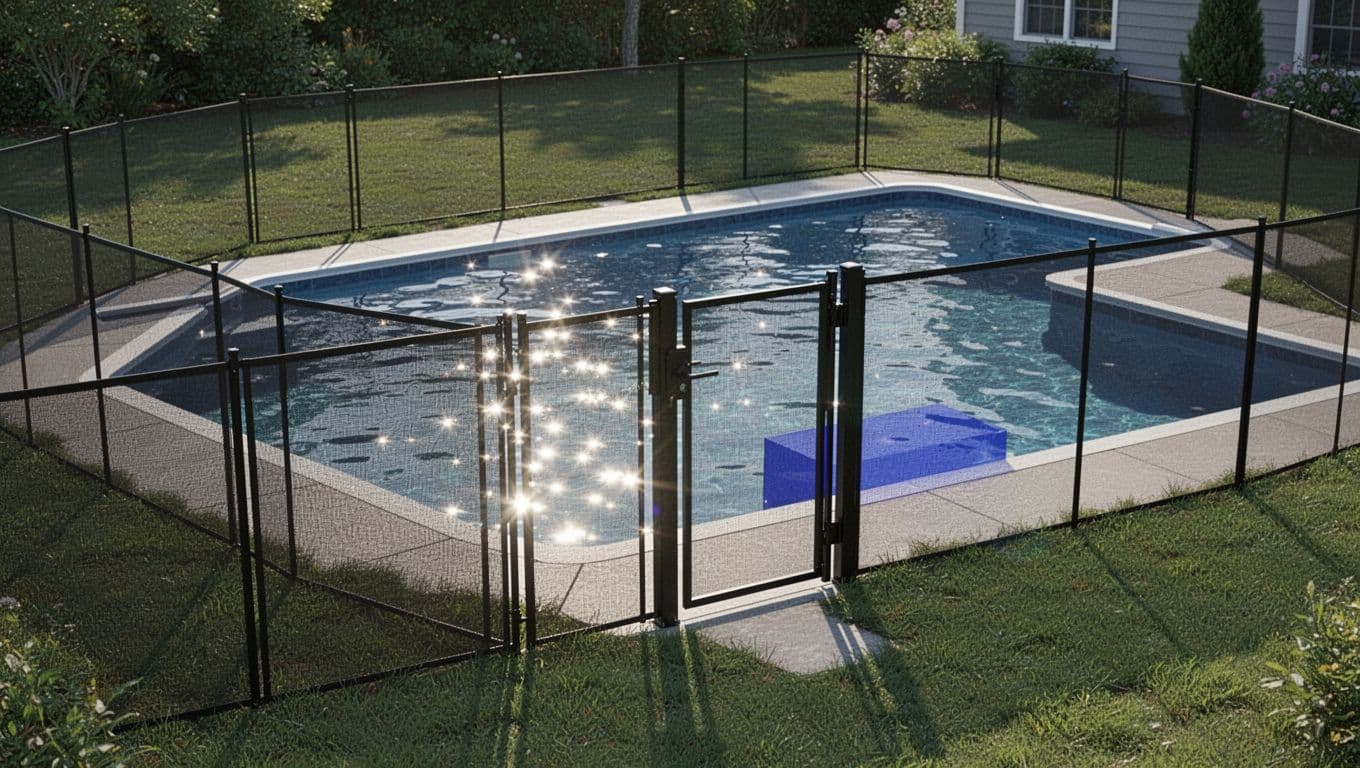
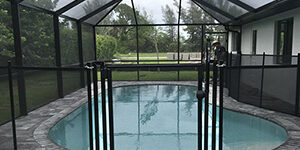
A black mesh pool fence should surround the entire pool, not only the side facing the house. It should separate the water from the rest of the yard. This layout creates environmental barriers between the home and the pool.
Choose a fence with a self-closing, self-latching gate. Lock the gate whenever nobody uses the pool. Check the latch on pool gates often, especially after storms, repairs, or landscaping work.
I prefer black mesh because it provides a clear view of the pool. You can see through it while walking past the yard. It also creates a physical barrier without blocking the whole backyard.
Keep chairs, tables, planters, coolers, and storage bins away from the fence. A person should not have an easy step over the barrier. Trim branches that could interfere with the gate or give someone a handhold.
An above-ground pool needs attention too. Remove the ladder when the pool isn’t in use, or use locking ladders that stay in an upright position. Pool covers can add protection, but they are an additional layer, not a substitute for fencing, and shouldn’t become a surface someone can walk onto.
Secure doors leading outside with appropriate locks or alerts. Keep keys and access codes away from the pool area. Review every route someone could take from the bedroom, kitchen, garage, or driveway.
The AARP home safety guidance for dementia also recommends a locked fence around the pool, separate from the rest of the yard.
If your pool needs a separate barrier, you can Get a FREE Quote or contact Pool Fence SWFL for a local safety fence consultation.
Add Pool Alarms, Locks, and GPS Tracking
Technology supports a layered home safety plan, but it doesn’t replace a physical barrier. I use alarms as a second layer, never as the only plan.
A gate alarm can alert you when someone opens the pool gate. Door alerts can notify you when someone leaves the house. Below-surface motion sensors can detect movement in the water. Some systems send phone notifications, while others sound an alarm near the home.
Test every alert on a regular schedule. Replace batteries before they fail. Make sure notifications reach the caregiver responsible overnight. A sensor that nobody checks cannot protect anyone.
GPS tracking devices can help locate someone who wanders away from home. Choose a device the person will tolerate, such as a watch, pendant, or shoe insert. Keep it charged, check its fit, and test its location features before an emergency happens.
The Alzheimer’s Association also connects families with the MedicAlert Safe and Found program. Keep a recent photo, medical information, and emergency contact information ready. Share that information with trusted caregivers.
Ask your insurance company whether it recognizes smart-home safety equipment. Don’t assume coverage. You can also ask a local Area Agency on Aging about assistance programs or caregiver resources.
Plan Every Supervised Swim Before It Starts
Swimming may no longer be safe without changes, even if the person once loved the water. I would discuss swimming with the person’s doctor, occupational therapist, or physical therapist first. Then review how the routine fits into the person’s broader home safety plan.
A safe visit starts before anyone changes clothes. Choose a familiar pool and a quieter time. Loud music, crowds, heat, and long waits can increase confusion or agitation.
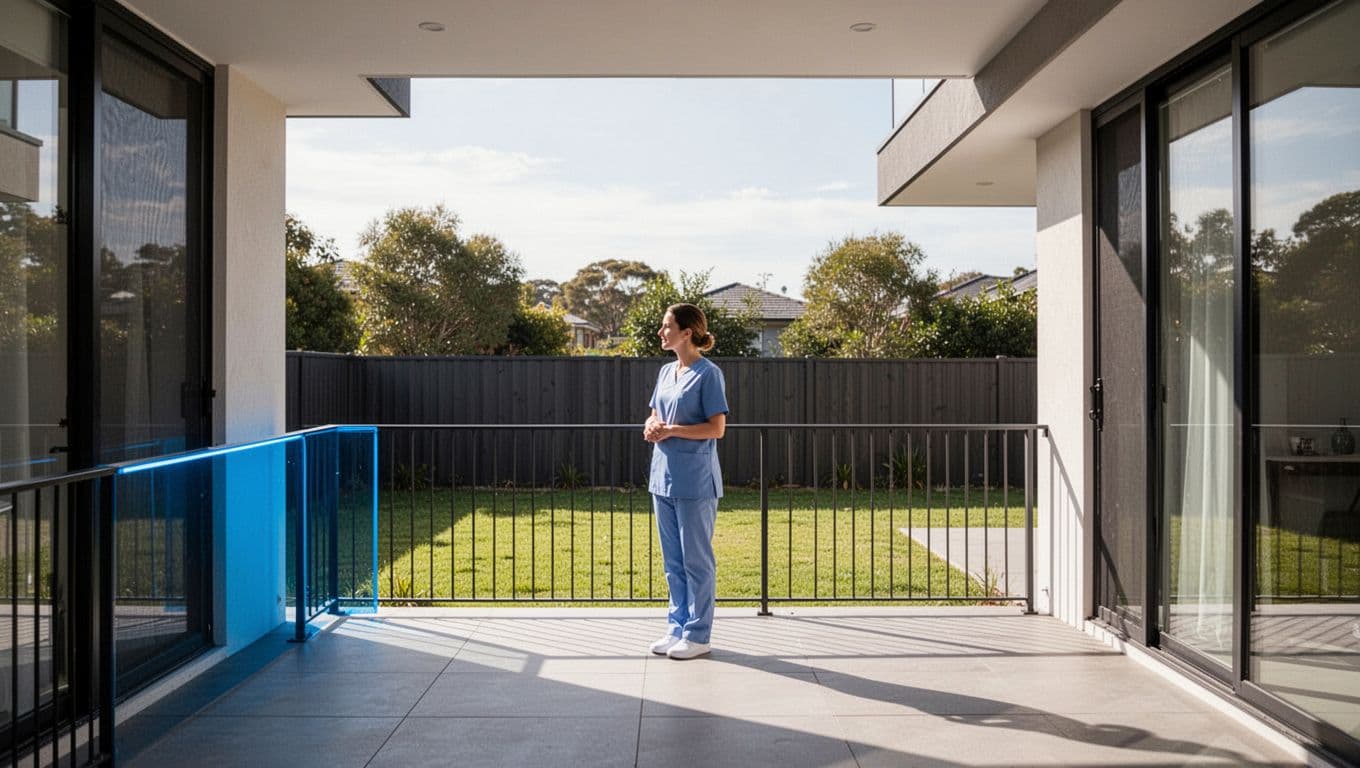
I use a predictable swimming safety routine for supervised swimming:
- Check that the person feels rested, comfortable, and willing to enter.
- Confirm the water temperature feels safe, often around 29 to 30 degrees Celsius.
- Put non-slip footwear on before walking across wet surfaces.
- Assign one adult to supervise without phone distractions.
- Stay close enough to reach the swimmer quickly.
- Explain each step with short, calm instructions.
Never let someone with Alzheimer’s or dementia swim alone. A lifeguard may watch the whole pool, but they don’t know the person’s habits, medical history, or usual behavior.
Use properly fitted flotation devices, such as a life jacket, when a clinician recommends them. Pool noodles and similar flotation devices can add comfort, but they don’t prevent drowning. These aids never replace hands-on supervision.
Keep the steps, handrails, and exit route clear. Show the person where to leave the water before entering. Avoid changing the routine without warning.
Watch their energy level. Fatigue can cause a sudden loss of balance or confusion. Stop the swim when the person becomes cold, frustrated, tired, or unusually quiet.
Watch for Quiet Signs of Water Distress
Drowning doesn’t always involve shouting or waving. A person in trouble may stay upright, look confused, or make little progress toward the edge.
Look for these warning signs:
- Their head sits low in the water, or hair covers the face.
- They gasp, cough, or cannot answer a simple question.
- Their arms press down instead of reaching for the wall.
- They stop following instructions or suddenly become still.
- They cling to the edge without pulling themselves out.
- Their body tilts, slips under, or struggles to find the steps.
Keep your attention on the swimmer, not on a conversation across the yard. If trouble appears, guide the person toward the nearest exit immediately.
Handle Agitation Without Creating More Panic
A sudden panic response can make water danger worse. Keep your voice calm and use short phrases. Tell the person exactly what to do, such as, “Hold the rail” or “Turn toward the steps.”
Don’t argue about what happened. Don’t demand that the person swim harder. Move close, support them safely, and guide them toward the wall or stairs.
If they resist, call another adult for help. Avoid pulling forcefully on the neck, shoulder, or arm. If you cannot bring the person out safely, call 911 and follow the dispatcher’s instructions.
After any submersion, watch for breathing problems, unusual sleepiness, confusion, or blue lips. Call 911 for unresponsiveness or trouble breathing. Keep safety equipment near the pool, including a rescue hook, reaching device, charged phone, and first-aid supplies.
Every regular caregiver should know the home’s address, pool location, gate lock, and response steps. Record them in a written home safety emergency plan. CPR training also helps caregivers respond while emergency services travel.
Prepare Neighbors for Wandering Emergencies
Pool security works better when trusted people nearby know what to watch for. Speak with a few neighbors before a crisis happens. Give them a recent photo and your phone number.
Ask them to call you immediately if they see the person near a pool, pond, canal, or roadway. If someone may leave familiar routes, GPS tracking devices can help you locate them quickly. Respect privacy by sharing only the information they need. Don’t post medical details on public neighborhood pages.
Check every path around the property. Lock side gates and garage doors, and secure driveways and other access points leading toward water. Review the route after landscaping, construction, or a change in daily care.
The National Institute on Aging home safety tips can help you review doors, lighting, outdoor hazards, and other parts of the home. Use the broader review alongside water safety tips for pools, ponds, canals, and nearby roadways.
I also recommend keeping a written emergency plan in an easy-to-find place. Include medications, allergies, communication needs, likely destinations, and the names of people who can help. Have everyone involved in dementia care review the same plan.
Frequently Asked Questions
Can a person with dementia swim safely?
Swimming may be possible for some people with dementia, but it requires an individualized safety review and close, hands-on supervision. Discuss the activity with the person’s doctor or therapist, and stop if they become tired, confused, or distressed.
What is the safest pool barrier for someone with dementia?
A separate fence surrounding all sides of the pool, with a self-closing and self-latching gate, provides the strongest daily protection. Keep the gate locked when the pool is not in use and remove chairs, planters, and other objects that could help someone climb over it.
Are pool alarms enough to protect a person with dementia?
No. Gate alarms, door alerts, and water sensors are useful second layers, but they do not replace a locked barrier and close supervision. Test each alert regularly and make sure notifications reach the responsible caregiver.
What should caregivers do if someone becomes distressed in the water?
Stay calm, use short instructions such as “Hold the rail,” and guide the person toward the nearest exit. If you cannot remove them safely, call 911 and follow the dispatcher’s instructions; seek emergency help for unresponsiveness or breathing problems.
How can families prepare for dementia wandering near water?
Secure doors, side gates, garages, and every route leading toward pools or other water features. Share a recent photo and contact information with trusted neighbors, and keep a written emergency plan with medical details, likely destinations, and caregiver contacts.
Protecting a Loved One Starts With Layers
The strongest protection comes from layered water safety measures: a complete black mesh barrier, a locked gate, tested alerts, supervised swimming, and a practiced emergency response.
I would never rely on memory or good intentions around open water. When the pool area stays separated and every caregiver follows the same routine, your loved one gets more protection and your family gets more peace of mind.