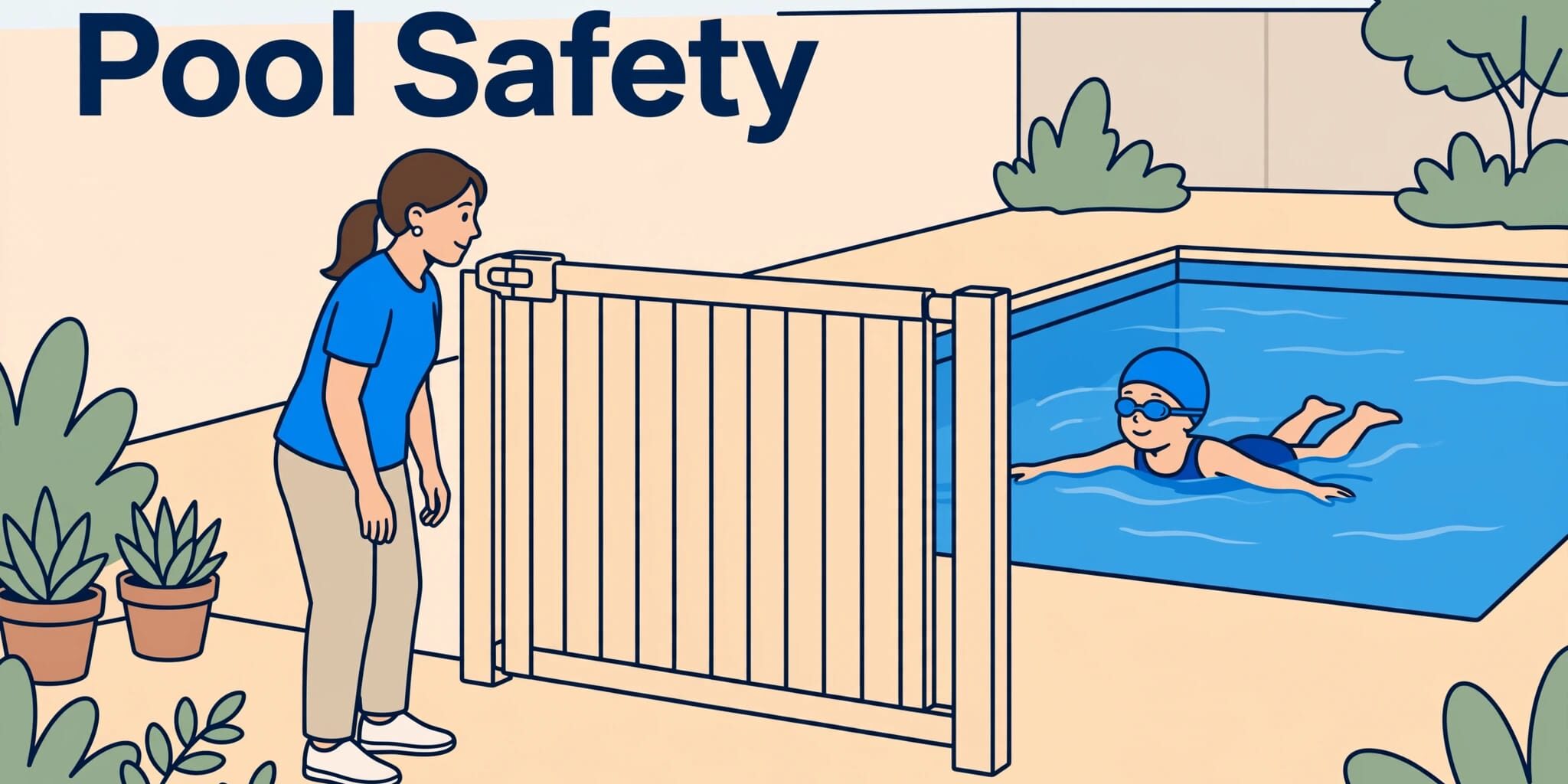
Children with seizure disorders may enter the water when their neurologist approves an individualized plan and close adult supervision. However, strong pool skills don’t remove the danger of a seizure in water.
For home pools, layered protection means preventing unsupervised access and preparing adults to respond immediately. The safest routine starts before anyone opens the pool gate.
Key Takeaways for Homeowners
- A neurologist should guide swimming decisions because seizure frequency and awareness changes affect water safety.
- A closed pool barrier limits unexpected access, while a dedicated adult protects the child during pool time.
- The adult needs to stay within reach and recognize the child’s seizure signs.
- A seizure in water requires immediate help and a 911 call, even when the child seems to recover.
These precautions work together. Pool lessons, alarms, and flotation devices cannot take over an adult’s responsibility.
Start With the Child’s Neurologist
Parents should speak with the child’s neurologist before swimming begins. The discussion should cover seizure frequency, medication effects, and whether seizures affect awareness or movement.
Depending on seizure control, the doctor may recommend restrictions or advise against pool access. There isn’t a single seizure-free interval that makes every child safe around water.
The Epilepsy Foundation’s water safety guidance for children addresses closer adult oversight for frequent seizures and episodes affecting consciousness. Some children also need restrictions on water depth.
A supervised pool generally offers more predictable conditions than open water. Oceans bring tides and rip currents, while lakes and rivers can hide sudden depth changes.
Some locations lack a lifeguard. A staffed pool generally provides a safer setting, although parents still need a dedicated adult supervisor.
At home, families should agree on clear reasons to cancel pool time. Illness, unusual tiredness, a skipped dose, or warning symptoms should pause pool time until the child’s medical plan supports returning.
Keep the Pool Inaccessible Between Swims
A child doesn’t need to plan pool use to encounter water. Barriers protect against unexpected entry during ordinary household distractions.
Separate the Water From Everyday Play
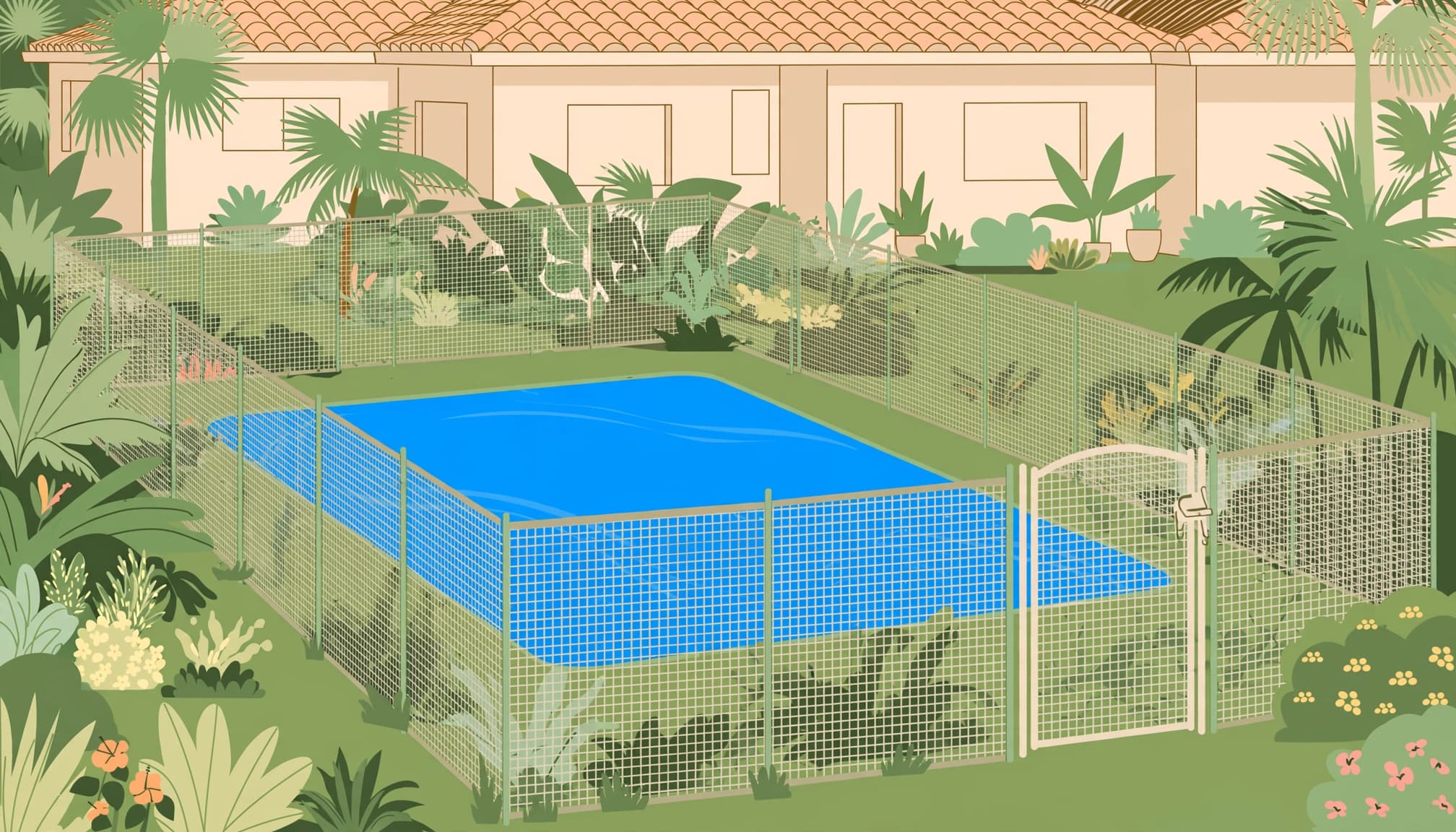
A four-sided isolation barrier separates the pool from the house and nearby play areas. A property fence alone may leave an open route between a back door and the water.
The pool barrier should stand at least four feet high and resist climbing, squeezing through, or crawling underneath. Its gate should close automatically, latch securely, and open away from the pool.
Removable mesh fencing needs to remain installed whenever the pool isn’t in supervised use. Removability shouldn’t become a reason to leave access open during gatherings.
Make Gate Checks Part of the Routine
Adults should test the gate’s closing and latching action regularly. They should also inspect the mesh and connections after storms or backyard work.
Meanwhile, chairs, storage bins, and coolers belong away from the barrier because children can use them as climbing steps. Toys should stay out of sight after pool use.
Door alarms and pool alarms add warnings, but neither stops access physically. A pool fence consultation can address routes connecting the house, patio, and water.
Stay Within Reach Whenever the Child Swims
A child with seizures needs a capable swimming buddy within reach, not an adult somewhere nearby. The adult must watch continuously and respond immediately.
Choose a Capable Adult Companion
The swimming buddy should know the child’s seizure signs and written seizure action plan. They must also swim well enough to help without creating another emergency.
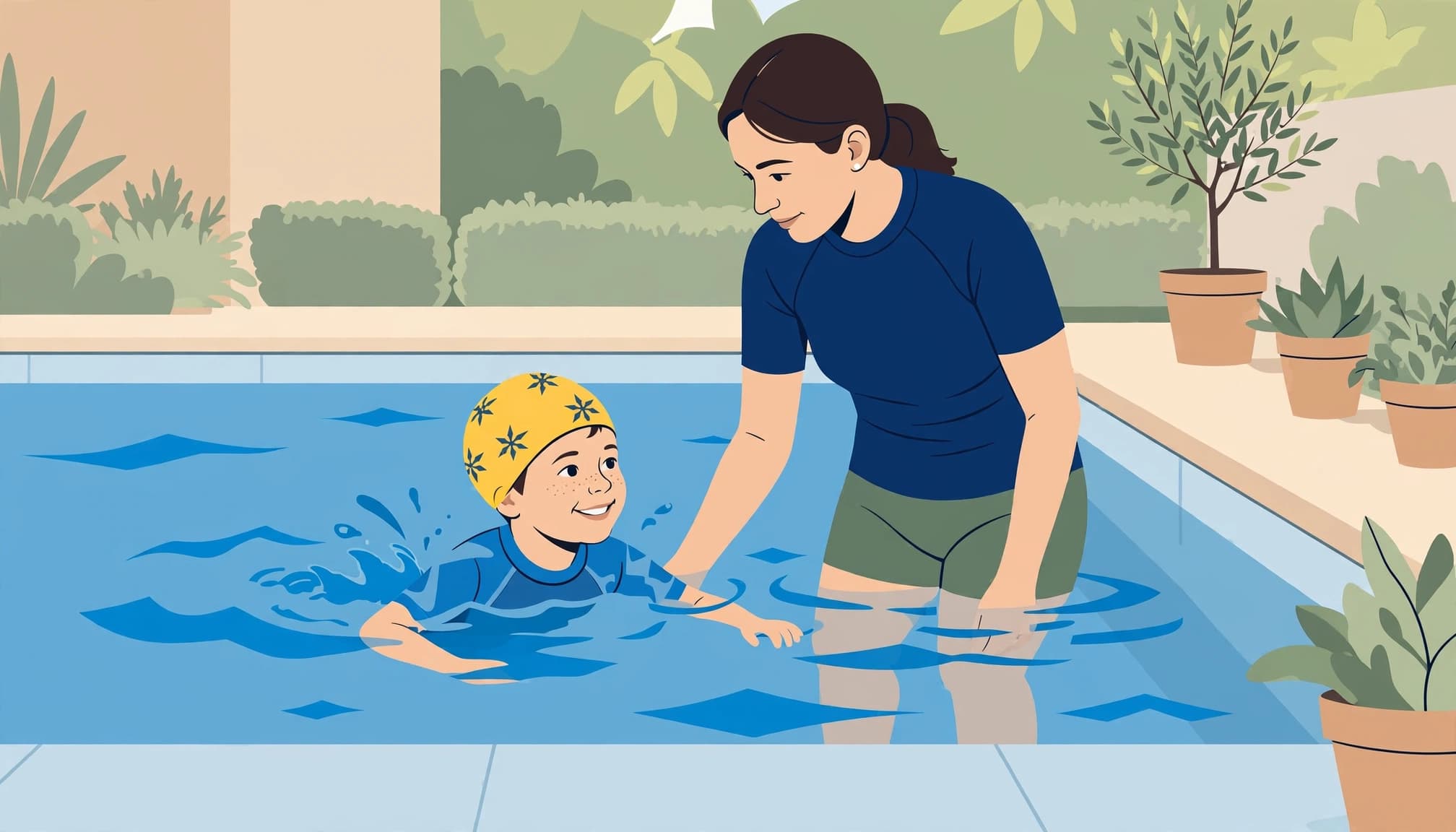
For close supervision, within arm’s reach means staying beside the child, including during quiet play on pool steps. Another child can’t take this role.
The adult needs enough strength to support the child’s head above water and help move them toward an exit. A second capable adult can assist with lifting.
Every assigned adult must receive and understand the child’s written seizure action plan before taking over. When supervision changes, both adults should acknowledge the handoff.
The American Red Cross’s “reach or throw, don’t go” message concerns safer rescue by bystanders. It doesn’t replace staying within reach.
Remove Distractions and Make Identification Easy
The supervising adult shouldn’t use a phone, drink alcohol, or divide attention with food preparation.
A brightly colored cap helps the companion identify the child quickly. A medical ID bracelet can tell unfamiliar helpers that the child has epilepsy. Check the bracelet before pool time.
Neither item provides protection by itself. A properly fitted life jacket may add support when the neurologist recommends one, but inflatable toys and water wings aren’t substitutes.
Respond Immediately to a Seizure in the Pool
A seizure in water is an emergency. Adults shouldn’t wait five minutes for the episode to stop before calling 911.
The Epilepsy Foundation’s first aid for water seizures recommends prompt removal, breathing assessment, and emergency medical help.
- Call for help immediately. Another adult should call 911 while a capable rescuer supports the child. The rescuer should keep the nose and mouth above water without forcing the head backward.
- Remove the child as quickly and safely as possible. A rescuer should enter only when they can help safely. Otherwise, use available rescue equipment and summon trained assistance.
- Assess breathing immediately after removal. If the child isn’t breathing normally, begin CPR with rescue breaths and follow the dispatcher’s instructions. Gasping isn’t normal breathing.
- Monitor the child continuously. If breathing normally, place the child on their side. Follow the seizure action plan, including prescribed rescue medication when directed.
Adults shouldn’t force objects between the teeth or restrain jerking movements. They should use only the movement necessary for a safe rescue.
A child can appear recovered after a water seizure and still need emergency evaluation because inhaled water can injure the lungs.
Before swimming season, regular caregivers should review the written seizure action plan, know who calls 911, and understand their rescue roles. They should also complete child CPR training that includes rescue breaths. A charged phone, reaching pole, and flotation aid should stay accessible.
Caregivers should know the property’s address and how emergency responders can reach the pool.
Manage Heat, Hydration, and Light Triggers
Florida heat and summer temperatures add another planning need. The Epilepsy Foundation’s summer safety recommendations address precautions for outdoor activities and seizure risks.
Prevent Overheating Without Guessing About Electrolytes
Sweat carries away water and sodium. Sodium helps nerve cells send electrical signals, and significant imbalances can trigger seizures.
Dehydration can contribute to seizure risk, particularly alongside overheating or electrolyte disturbances. Give children regular chances to hydrate before, during, and after pool activity. Watch for signs of dehydration, such as dry mouth or dizziness.
Families shouldn’t add salt or change prescribed fluid restrictions without medical advice. Ordinary pool activity doesn’t automatically require electrolyte supplements.
Some medicines, including topiramate and zonisamide, can reduce sweating and raise overheating risk in the heat. For children who struggle to cool down, a cooling vest may help alongside indoor breaks.
Plan water and shade breaks to help children hydrate and reduce dehydration risk during prolonged sun exposure. Air-conditioned libraries or malls offer practical alternatives when outdoor temperatures feel overwhelming.
Protect Sleep and Address Photosensitivity Individually
Inadequate sleep can trigger seizures, so late pool parties shouldn’t disrupt the child’s usual bedtime. Shorter pool sessions also help prevent exhaustion.
For photosensitive children, flickering sunlight through trees or reflections on water may matter. However, light sensitivity doesn’t affect everyone with epilepsy. Families can track individual seizure triggers by noting light conditions and symptoms after each outing.
Specialized blue-tinted lenses may help some photosensitive children under clinical guidance. Ordinary polarized sunglasses reduce glare but don’t provide dependable seizure protection.
Flashing or strobe lights on rides and attractions can also trigger photosensitive episodes. Families should read warning signs before entering.
Extend the Plan to Outings and Travel
Use the same safety rules at vacation pools and relatives’ homes. A different setting shouldn’t weaken the child’s established precautions.
Wear Life Jackets During Other Water Activities
Children should wear properly fitted, U.S. Coast Guard-approved life jackets during boating, water skiing, canoeing, paddleboarding, and rafting. A jacket kept nearby won’t help during a sudden seizure.
Life jackets don’t remove hazards in open water or replace an adult who can respond at once. Families should avoid activities that exceed the child’s medical restrictions.
Scuba diving isn’t safe for someone with active epilepsy because a seizure in open water can be fatal. A child’s ability in the water doesn’t change that risk.
Keep Medication Available During Travel
Pack scheduled doses in carry-on luggage rather than checked bags. This keeps them available during baggage delays.
Before crossing time zones, parents should arrange dosing times with the child’s healthcare provider. They shouldn’t skip or double doses on their own.
The child should wear a medical ID bracelet, and accompanying adults should carry the written seizure action plan and prescribed rescue medication. Keep medicines within their labeled storage temperatures.
For outdoor travel in summer temperatures, plan shaded breaks and carry water. At a theme park or other attraction, families should locate first aid before splitting up. Regular meals and protected sleep also support the child’s normal routine.
Common Questions About Seizures and Swimming
Can Absence Seizures Make Swimming Unsafe?
Yes. Absence episodes can briefly interrupt awareness without dramatic shaking. In water, that interruption can prevent a child from responding or maintaining a safe position.
Adults shouldn’t judge risk only by whether a child has convulsions. The neurologist needs to consider the child’s actual seizure pattern.
The Epilepsy Foundation’s guidance on staying safe emphasizes adult oversight by someone who recognizes seizure symptoms and can respond. Quiet symptoms still require close attention.
What Is the Number One Seizure Trigger?
There isn’t one universal trigger for everyone with epilepsy. Missed medication and inadequate sleep are common concerns, but individual patterns differ.
Heat, illness, or flashing lights may matter for some children. Parents should record patterns and discuss them with the child’s neurologist.
A familiar trigger list doesn’t predict every seizure. Barriers and close attention remain necessary, even on an otherwise comfortable, well-rested day.
Make Protection Part of Every Pool Day
A secure barrier reduces unexpected access, while a dedicated adult protects the child during pool time. Both layers matter, even when seizures seem well controlled.
Homeowners planning a mesh barrier can Get a FREE Quote. A clear routine helps everyone understand who watches, when swimming stops, and how to respond.
Questions or ready to get started? Call us at (941) 500-9484