One open gate or forgotten pool toy can change a normal afternoon in seconds. As a new parent in Southwest Florida, I treat my pool safety checklist as a daily routine rather than a project I only tackle once a year.
Our intense heat, heavy rain, screened lanais, slippery decks, and nearby canals create unique concerns for residential pools. By utilizing a comprehensive pool safety checklist, I can carefully evaluate the entire swimming pool area instead of focusing solely on the water. I start by securing access, then I verify supervision protocols, check safety equipment, inspect deck surfaces, and confirm that my emergency preparations are in order.
Key Takeaways
- I never rely on a single safety feature. Utilizing multiple layers of protection, such as barriers, supervision, alarms, and swimming skills, creates the safest environment.
- A functional self-closing gate and self-latching gate must be tested every day, especially after heavy rain, storms, or service visits.
- Pool toys, chairs, doors, pet doors, tile, and grout all deserve attention to maintain proper water safety.
- Installing a dedicated pool fence can add a clear, physical layer of protection around the water.
- I keep rescue equipment, CPR knowledge, and the home’s exact address ready before an emergency happens.
Make the Pool Area Hard for a Child to Enter
The first question I ask is simple: Can my child reach the swimming pool without an adult noticing? If the answer might be yes, I change the setup before worrying about smaller details. Whether you have a permanent backyard installation, an above ground pool, or even a small portable pool, the goal remains the same: restrict access completely.
A screened patio or lanai is helpful, but it should not be treated as the only barrier. Doors leading to the pool need to stay closed and secure. I install a childproof lock on every door that leads to the lanai. I check that they close fully, latch correctly, and do not have a pet door or loose screen that creates a non-compliant route outside.
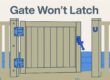
I also inspect every gate around the pool. It should swing closed on its own and latch without someone pushing it. I test it with one hand, then look at the latch heights from a child’s perspective. A gate that works most of the time is not good enough. Sand, dirt, corrosion, a shifted post, or a storm can keep it from closing properly.
Florida’s residential pool safety rules include requirements for approved safety features, enclosures, gates, doors, and other access points. I read the Florida residential pool safety statute, then confirm local requirements with the building department before making changes.
The legal minimum is not my complete safety plan. I want a barrier that is difficult for a toddler to climb, has no easy footholds, and gives me a clear view of the pool. I keep furniture, coolers, toys, and any other climbable objects away from the barrier. Children are creative climbers. A patio chair or storage bin can become a step in less than a minute.
I remove floating toys after swimming, too. Bright toys attract children to the water. Leaving them in the pool creates another reason for a child to approach the edge.
Use Layers Instead of One Safety Device
No alarm can watch a child, and no fence can replace an adult. I rely on layers of protection because each one addresses a different risk and helps prevent fatal drownings.
Active supervision is the foundation. When my child is in or near the pool, I stay close enough to reach them. I do not count a phone call, cooking, reading, or a quick trip inside as supervision. For young children, the American Academy of Pediatrics recommends constant attention and specific water safety guidance for young children.
During gatherings, I assign one adult as the official water watcher. That person stays focused on the pool for a set period, then hands the responsibility to another adult. Simply saying that someone is watching is not the same as naming a specific person. I insist on a clear handoff.
A door alarm can alert me when access changes, while pool alarms may detect movement in the water. These electronic devices can help, but I do not use them as permission to step away. Batteries can fail, alerts can be missed, and devices do not physically stop a child from reaching the pool. For additional security, I also consider using pool covers to secure the surface when the area is not in use.
Swimming lessons provide another layer. They do not make a child drown proof, but they build comfort and basic skills. I look for lessons suited to my child’s age and ability, while teaching simple rules like walking near the water and asking permission before entering the pool area.
Floaties require care as well. Water wings and inflatable toys are not life saving devices. If a child needs support, I use a properly fitted, U.S. Coast Guard approved life jacket. The CDC drowning prevention guidance also supports the use of barriers, close supervision, life jackets, and swimming skills as parts of a complete safety plan.
I keep a charged phone near the pool, along with a reaching pole and a life ring. I never leave children alone while I go to retrieve these items. Having emergency equipment nearby saves precious time when every second matters.
Check Southwest Florida Conditions After Heat, Rain, and Storms
Southwest Florida weather can change the environment around a pool and spa quickly. As pool and spa owners, it is vital to understand that heavy rain can leave puddles, displace loose furniture, fill the deck with leaves, or affect the alignment of a safety barrier. After a storm, I walk the entire perimeter before allowing my child outside.
I look for broken fence sections, loose fasteners, and damaged screens. I pay close attention to the vertical elements of the fencing and screens to ensure they remain sturdy and gap-free. I test the gate again to ensure it latches properly. I also check that the pool area still has good visibility. Fallen branches and wet leaves can hide the edge of the pool or cover a small toy.
The deck deserves its own inspection. Wet tile can become slick, especially when sunscreen, soap, or algae is present. I look for cracked tile, lifted edges, loose coping, and areas where water collects. Damaged grout can allow water to sit where it should not, which may point to movement or wear around the deck. I perform necessary rectification works on these issues before they become a trip or fall hazard.
Salt air and intense sun can affect metal hardware, screens, hinges, and latches. I look for rust, stiffness, faded or brittle components, and loose connections. A quick rinse and regular cleaning may help, but worn hardware needs replacement. I do not force a gate that no longer closes correctly.
Canals, lakes, retention ponds, and waterfront areas add another concern. A child who is safe behind the pool barrier may still reach open water through a side yard, dock, or unlocked screen door. I include every body of water near the home in my inspection.
The National Weather Service also warns people to stay away from floodwater because depth, current, debris, and contamination can be difficult to judge. After serious flooding, I keep children away from affected areas until the property is confirmed safe.
Keep an Emergency Routine Ready
I never want to develop my emergency plan for the first time during an actual crisis. I write down the home street address and keep it clearly posted near the phone. All guests and babysitters should know exactly where the rescue equipment is located and how to operate the swimming pool gate.
I also prioritize keeping my CPR training current. The American Red Cross CPR training information can help parents find a local class and learn how to provide life-saving assistance while emergency responders are en route. I want every regular caregiver to know how to call 911, begin CPR based on their training, and send another adult to retrieve an AED if one is available.
My emergency checklist ensures I meet all essential safety requirements and maintain proper compliance for my home. This includes:
- Access: The gate, door, and path to the pool open quickly for an adult.
- Equipment: A life ring and reaching pole are visible and within easy reach of the swimming pool.
- Communication: A phone is fully charged, and the home address is written down for quick reference.
- Caregivers: Babysitters and visiting family understand the water rules and emergency procedures.
- Practice: Everyone knows who calls 911 and who is responsible for grabbing the rescue equipment.
If you are ever unsure if your current setup meets local standards, you can consult a professional pool safety inspector to evaluate your yard and obtain a pool safety certificate. This provides peace of mind that your home is prepared for any situation.
I never hide my rescue equipment in a shed or behind locked boxes. It needs to be protected from the harsh Florida weather, yet remain easy to grab in seconds. I make it a habit to check the gear after storms and following any pool parties.
A short conversation with caregivers makes a significant difference. I explain that children move incredibly quickly, that quiet water emergencies may not look dramatic, and that a child can reach the pool while an adult is only a few steps away.
Consider a Pool Fence as a Dedicated Barrier
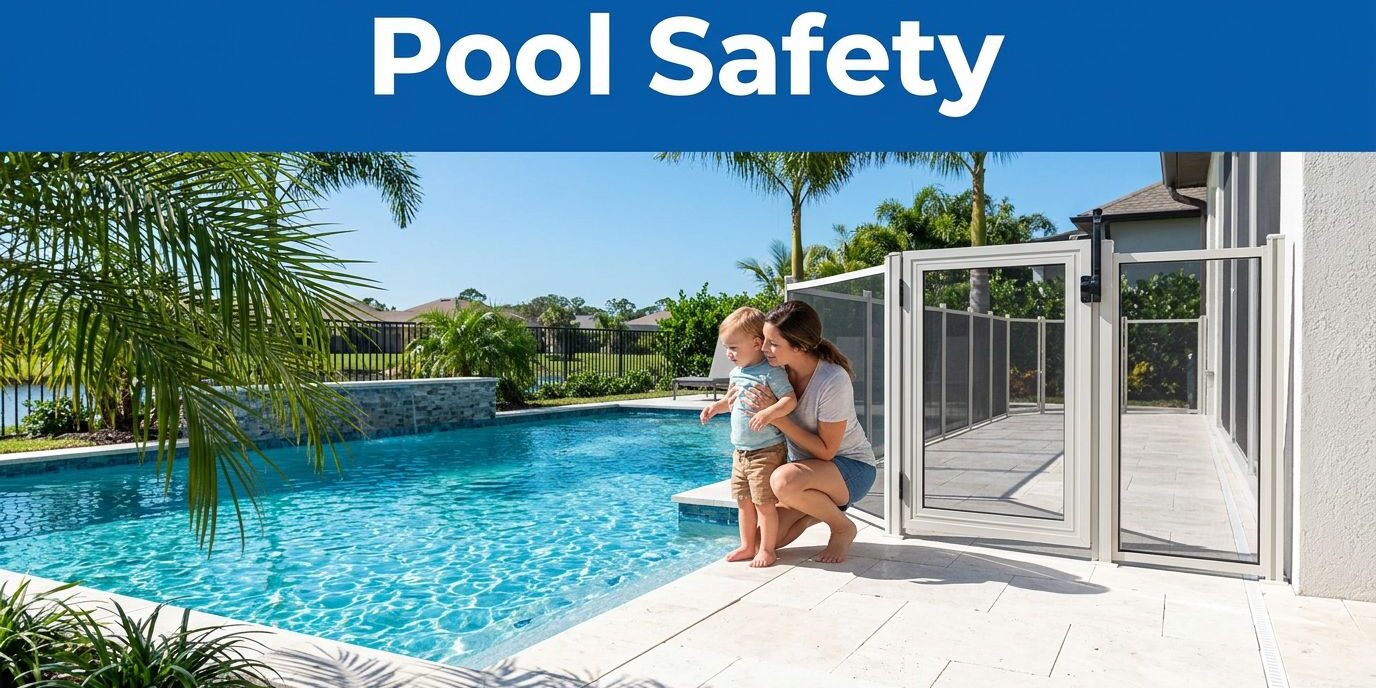
For many new parents, a dedicated pool fence makes the pool area easier to control. I prefer a removable mesh pool fence because it creates a clear separation around the water without obstructing the entire yard. The transparent material keeps sightlines open, and a properly installed safety barrier provides peace of mind while you are nearby.
When selecting a system, ensure the fence height meets local safety requirements to effectively discourage climbing. It is also essential to use a self-closing gate and a self-latching gate to ensure the entry point secures itself every time someone passes through. I look for weather-resistant materials, secure posts, and hardware that remains reliable in our humid climate. I also evaluate how the layout interacts with the deck, landscaping, and stairs. The safest configuration is one that removes any obvious path around the perimeter.
A professional installation can help identify awkward corners or landscape gaps that homeowners might overlook. If you want to discuss your layout options, you can contact Pool Fence of SWFL or get a free quote for your property.
Remember that I still maintain constant supervision, utilize alarms, provide swimming lessons, and keep doors locked even after installing a fence. The fence adds a dependable layer of protection, but no single product can replace the watchful eye of a parent.
A Safer Routine Starts Before Swimming
My comprehensive pool safety checklist begins before anyone even steps into the swimming pool. I make it a habit to test the gate, clear the deck of toys, check all doors leading outside, put rescue equipment within reach, and clearly designate which adult is responsible for supervision. After any period of heavy rain or a tropical storm, I conduct a thorough inspection of the pool area once more to ensure everything remains secure.
I also look beyond the water itself when conducting these checks. The condition of the tile, grout, pool screens, furniture, canal access points, gates, and the path from the house all matter significantly. Ultimately, a truly safe swimming pool setup is composed of many small, consistent decisions that work together to protect your family.
Frequently Asked Questions
How often should I test my pool gate and safety barriers?
I recommend testing your pool gate every single day to ensure the self-closing and self-latching mechanisms function correctly. It is especially critical to perform these checks after heavy rain, tropical storms, or service visits that might interfere with the alignment or hardware.
What are the most effective ways to prevent children from accessing the pool area?
Physical barriers are the most effective way to block access, such as installing a dedicated pool fence and using childproof locks on all doors leading to the lanai. Beyond these barriers, it is vital to keep climbable objects like furniture and coolers far away from the perimeter to prevent toddlers from scaling your defenses.
Can I rely on pool alarms and covers as a substitute for adult supervision?
No, electronic devices and pool covers should never be considered a replacement for active, direct supervision. While these tools provide an extra layer of protection, they are prone to failures and do not physically prevent a determined child from reaching the water.
What emergency equipment should I keep available poolside?
A charged phone for calling 911, a reaching pole, and a life ring should be kept in a visible, accessible location near the pool at all times. I also suggest keeping your home’s address clearly posted nearby so that guests or babysitters can easily relay the information to emergency responders.
Conclusion
New parents do not need a complicated routine, but they do need a consistent one. I focus on four things every time I practice water safety: block access, supervise closely, maintain the pool area, and prepare for an emergency.
An open gate can turn a relaxing afternoon into a crisis. A tested barrier, a focused water watcher, and a ready emergency plan give me something far more valuable than convenience: peace of mind around the swimming pool.