A beautiful pool can hide an electrical problem that clear water and a clean deck won’t reveal. Working GFCIs, safe cord placement, and properly installed equipment help protect homeowners.
Those protections deserve the same attention as a closed gate and adult supervision. A few dependable habits can help families enjoy the water with greater peace of mind.
Key Takeaways
- Permanently installed GFCIs need testing at least monthly, following the manufacturer’s instructions.
- Electrical cords and portable electrical products should stay at least five feet from pool water.
- Repeated trips, damaged wiring, corrosion, and water inside lights require professional attention.
- A removable mesh fence helps control access, but electrical safeguards protect against a different danger.
Electrical safety and swimming pool safety provide complementary protection: reliable equipment, a secure pool barrier, and adults who recognize warning signs.
Where Poolside Electrical Hazards Start
Wet skin and wet surfaces raise shock risk when electricity is present. Bare feet, splashing children, and damp decks make electrical hazards especially serious, so electrical safety starts with recognizing these conditions.
The CPSC guidance identifies electrical equipment around water as a serious concern. Trouble can involve underwater lights, pumps, nearby outlets, or portable products.
A phone charger on a patio table deserves attention. So does a speaker plugged into an extension cord beside the pool.
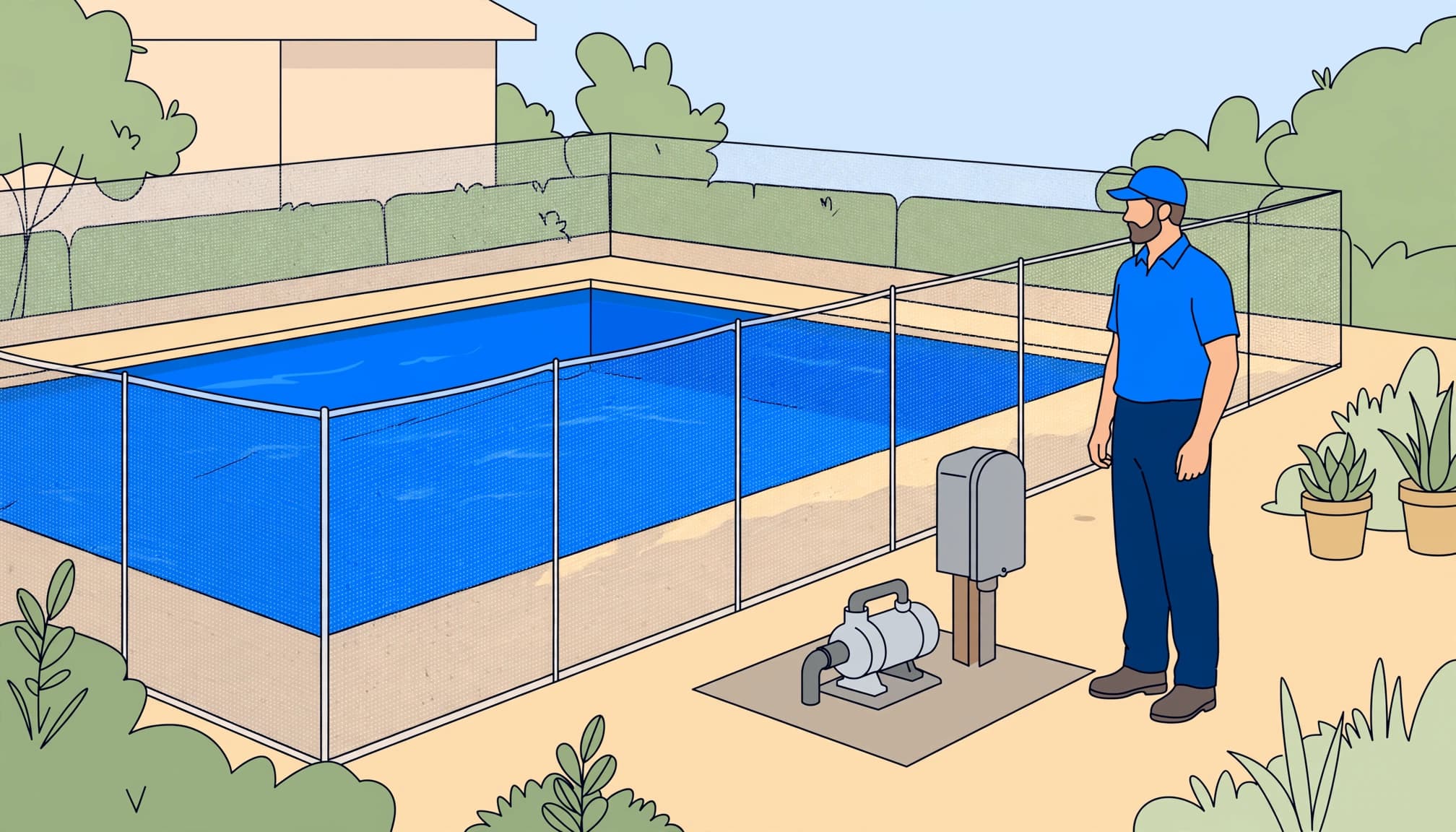
Pool pumps and lights also need attention because their wiring connects equipment directly to the pool area. A neat equipment pad doesn’t prove that its wiring remains sound.
Homeowners should watch for changes during normal use. A buzzing cover, flickering light, or repeated GFCI trip needs attention before anyone swims.
Children shouldn’t handle plugs, outlets, or pool controls. Adults should keep portable electrical products outside the swimming area and away from splash zones.
GFCI Protection Supports Pool Electrical Safety
Know Which Equipment Needs Protection
Ground fault circuit interrupters (GFCIs) help protect against dangerous ground faults. Protection may be built into an outlet, circuit breakers, or an equipment connection.
An outlet without visible TEST and RESET buttons may be protected at the electrical panel or elsewhere. A licensed electrician can confirm the arrangement.
The CPSC’s shock prevention recommendations cover pool equipment, including pumps and heaters. They also recommend GFCI protection for underwater lighting above 15 volts.
That guidance includes outdoor receptacles and receptacles within 20 feet of the water’s edge. However, these recommendations don’t replace current local electrical requirements.
Homeowners should ask an electrician to identify each protected circuit. Clearly labeled controls make routine testing and emergency shutdown easier.
Test Regularly and Respect Failed Tests
CPSC recommends testing permanently installed GFCIs at least monthly. Portable, cord-connected, and infrequently used GFCIs need testing before each day’s use.
Follow the device’s instructions and test only from a safe, dry location. Pool equipment may require a different testing procedure than a familiar bathroom outlet.
Testing supports electrical safety, but a failed GFCI test means the affected equipment needs professional attention. Families shouldn’t use it while waiting for repairs.
Repeated trips also deserve attention. Moisture, damaged wiring, or failing equipment may cause the problem.
A homeowner shouldn’t bypass protection or keep resetting a device to finish swimming. A repeated trip needs diagnosis, even when the equipment seems to work afterward.
Cord Safety Starts Before Anyone Swims
Keep Portable Products Away From Water
CPSC advises keeping electrical cords, wires, and products at least five feet from water. That includes extension cords, power cords, and light strings.
Five feet is a minimum safety recommendation, not permission to place equipment wherever a cord reaches. Local installation rules and product instructions may require different clearances.
Check the entire cord route. A plug may be safely indoors while its cord crosses a wet deck.
Outdoor-rated cords still present risks around water. Their rating doesn’t make a wet connection safe or mean they can be used with every pool product.
Battery-powered entertainment equipment avoids a nearby plugged-in connection during use. Charge it away from the pool and follow the product instructions.
Children and pets can pull cords unexpectedly. Keeping cords out of the pool area helps prevent electrical hazards and removes a tripping risk.
Damaged Cords Need Replacement
Cracked insulation, crushed sections, exposed conductors, and damaged plugs need attention. Tape doesn’t restore a damaged cord’s original protection.
Extension cords shouldn’t become permanent wiring for pool equipment. An electrician should provide the supply the equipment and local rules require.
Weather covers matter too. A cover must protect the connection during its intended use, including when a plug stays connected.
Portable and submersible pumps need special care. CPSC warns that a submersible pump may remain unsafe while someone is in the water.
If an electrical product falls into the pool, nobody should reach for it. An adult should disconnect power safely and keep everyone away.
Bonding, Grounding, and Pool Lights Need Professional Care
Bonding and Grounding Have Different Jobs
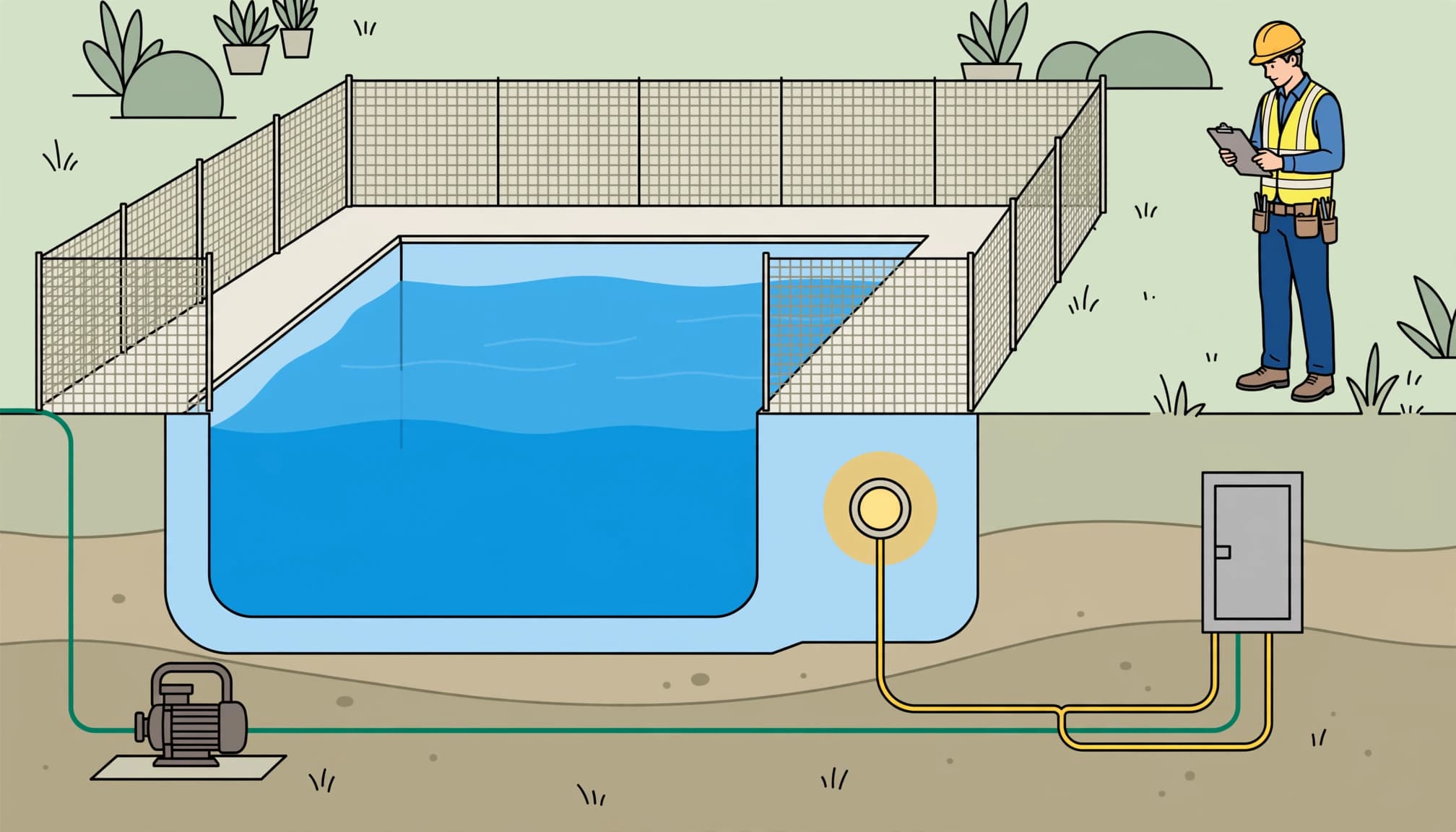
Bonding connects conductive pool components to reduce dangerous voltage differences between them. Grounding provides a path for fault current that helps protective devices operate.
They work together, but they aren’t interchangeable. A ground connection doesn’t automatically prove that the pool’s bonding system is complete.
The National Electrical Code, NFPA 70, addresses pools through Article 680. This Article 680 reference describes pool electrical requirements, including bonding and pump circuits.
Local code, amendments, and applicable safety standards determine a property’s requirements. Local building officials and qualified electricians provide the final answer.
Homeowners shouldn’t reconnect a loose bonding wire themselves. An electrician needs to inspect the connection and the wider system.
Pump or pool heat pump replacement also deserves review. The equipment must work with the electrical supply, protective devices, and required bonding connections.
Low-Voltage Lights Still Need Safe Installation
A low-voltage label doesn’t prove that an underwater light installation is safe. The fixture, transformer, wiring, seals, and other components must work together.
An electrician should verify the product listing and applicable GFCI, grounding, and bonding requirements. Different lighting systems have different installation rules.
Water inside a fixture, cloudy lenses, corrosion, buzzing, and flickering need attention. Exposed wiring also requires immediate action.
Homeowners should keep the pool closed during repairs involving the light fixture or circuit. Pool light repair isn’t a casual bulb-changing project.
Good lighting helps adults see steps and swimmers. It still can’t prevent a child from reaching the water.
A Reliable Inspection Routine for Southwest Florida Homes
Southwest Florida equipment faces humidity, heavy rain, salt air, and irrigation spray. These conditions make regular visual checks an important part of electrical safety.
The Electrical Safety Foundation’s pool safety guidance emphasizes dry, covered outdoor receptacles and attention to electrical hazards. Homeowners should also keep sprinkler spray away from outlets and equipment.
A monthly walk around the pool can reveal loose covers, damaged cords, corrosion, or standing water. Adults should look without opening electrical enclosures or touching questionable components.
A licensed electrician should inspect the system after storm damage, flooding, major electrical work, or pump replacement. Visible corrosion and repeated trips also justify an inspection.
The inspection should cover bonding, grounding, wiring, disconnects, lights, and equipment condition. The electrician should check compliance with current requirements that apply to the property.
An older inspection approval doesn’t guarantee that today’s installation remains safe. Repairs, replacement equipment, deterioration, and later alterations can change the situation.
Homeowners should retain inspection findings and repair records, and note the disconnect location as part of household emergency preparedness. Clear documentation helps the next professional understand recurring problems and previous work.
A dependable routine brings reassurance without guesswork. Families know who checked the system, what needed repair, and when testing should happen again.
What Families Should Do During an Electrical Emergency
Tingling, muscle cramps, unusual weakness, or electrical shocks can signal electricity in the water. Swimmers struggling unexpectedly are also a serious warning sign.
A rescuer entering energized water can become another victim. Electrical safety starts with keeping everyone else away.
- One adult calls 911 immediately and warns others to stay away.
- Another adult shuts off pool electrical power only at a safely accessible, dry disconnect.
- Nobody enters the water or touches submerged equipment while electricity may remain.
- Once the person reaches a safe area, adults follow dispatcher instructions for CPR and AED use.
An adult should never touch a person who remains in contact with an electrical source. Emergency responders can direct safe rescue efforts.
Smoke, sparks, or a burning odor may signal an electrical fire. Keep away from equipment and call 911.
As part of emergency preparedness, families should identify the pool’s disconnect before an emergency happens. It should remain accessible, clearly labeled, and free of storage clutter.
Thunder and lightning require a separate response. Swimmers should leave immediately and enter a substantial enclosed building.
Everyone should wait 30 minutes after the last thunder before returning outdoors. GFCIs and mesh fencing don’t make swimming during lightning safe.
A Mesh Fence Adds a Different Layer of Protection
Swimming pool safety depends on multiple layers of protection. Electrical safeguards address faulty equipment and wiring, while a removable mesh pool fence limits unsupervised access to the water.
The CPSC’s pool safety recommendations support barriers alongside attentive supervision. Each layer addresses a different part of family safety.
Homeowners should keep the mesh fence complete and the self-closing, self-latching gate working properly. Cords shouldn’t interfere with the gate or create an opening beneath a fence section.
Pool Fence of SWFL provides removable mesh fencing for Southwest Florida families. Homeowners can schedule a fence consultation to discuss their pool layout and access points.
For pool safety fence installation, families can contact the team by phone or email to Get a FREE Quote.
A fence consultation doesn’t replace an electrical inspection. Both services have a clear purpose, and families benefit from keeping that distinction simple.
Frequently Asked Questions
Does a Working GFCI Make an Extension Cord Safe Beside the Pool?
A working GFCI doesn’t remove cord hazards. Distance, cord condition, dry connections, product instructions, and applicable electrical requirements still matter.
Cords should remain at least five feet from pool water under CPSC guidance. Permanent pool equipment needs its approved electrical supply.
Does an Older Pool Need an Electrical Inspection?
An older pool deserves inspection when its electrical condition is uncertain. Storm damage, corrosion, equipment changes, and repeated trips make professional review especially important.
A past approval doesn’t account for later damage or alterations. Homeowners should request a written assessment before relying on questionable equipment.
Safer Pool Days Start With Dependable Protection
Tested GFCIs, careful cord placement, and professional attention to wiring, bonding, and grounding help keep pool areas safer. Families shouldn’t have to guess about damaged equipment.
A secure mesh fence adds another useful layer. Together, maintained safeguards and controlled access support lasting peace of mind around the pool.
Questions or ready to get started? Call us at (941) 500-9484