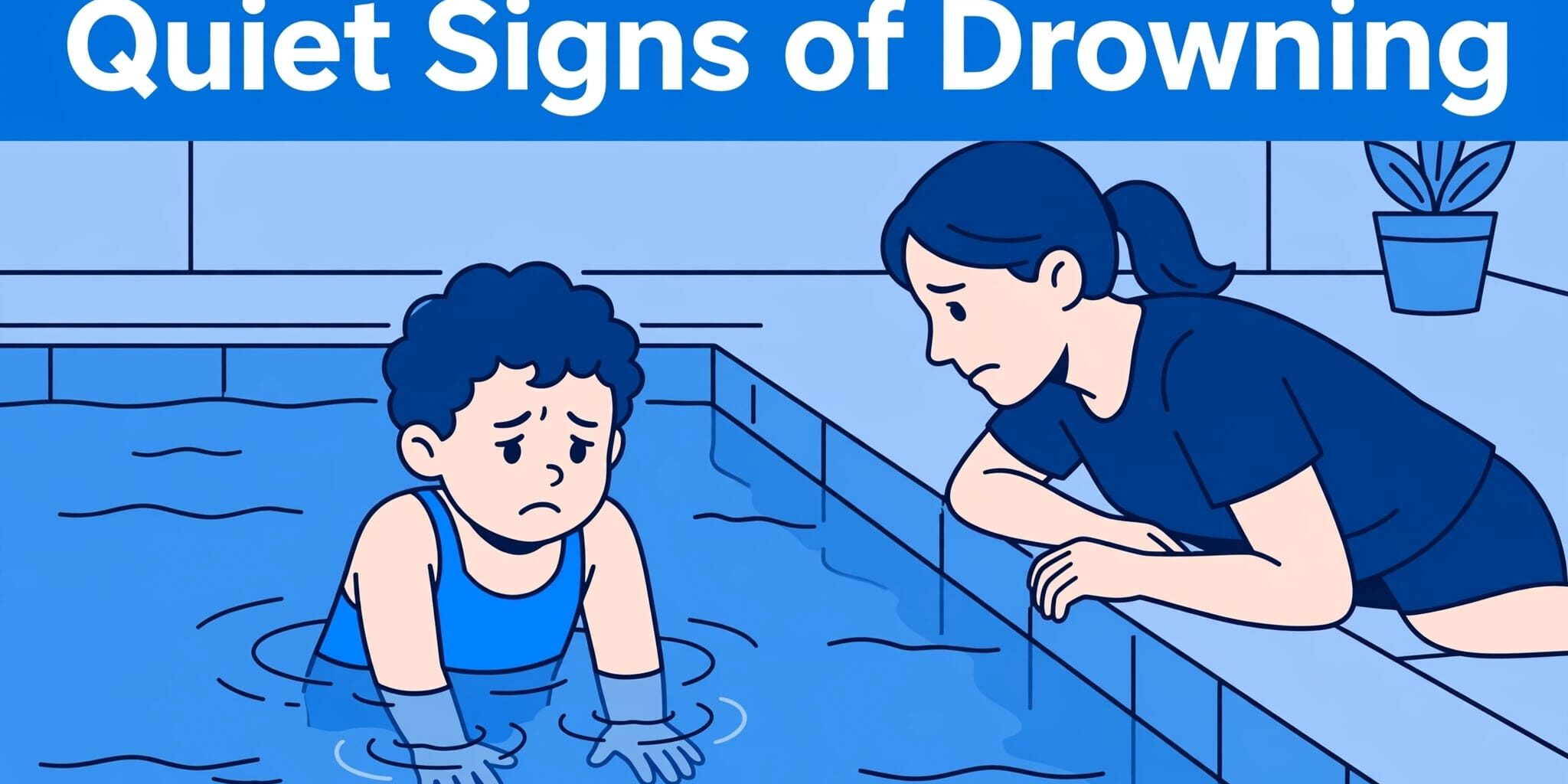
A child in distress can look quiet, with a low head, ineffective movements, or sudden stillness, unlike dramatic scenes. After rescue, persistent coughing, breathing trouble, or unusual behavior needs urgent medical attention.
Because silence doesn’t mean safety, caregivers shouldn’t wait for shouting. Recognizing the signs starts while a child is still in the water.
Key Takeaways
- A child can struggle without shouting, waving, or obvious splashing.
- Persistent coughing, breathing trouble, and unusual behavior after water exposure need prompt medical attention.
- Pool barriers and focused supervision support drowning prevention before an emergency starts.
Recognize Child Drowning Signs in the Water
Silence and little progress
A child may stay upright with their mouth near the surface and make little progress toward safety. Their arms may press downward or appear to climb an invisible ladder.
Because breathing takes priority, they may struggle without calling out. These quiet signs and symptoms can be easy to miss.
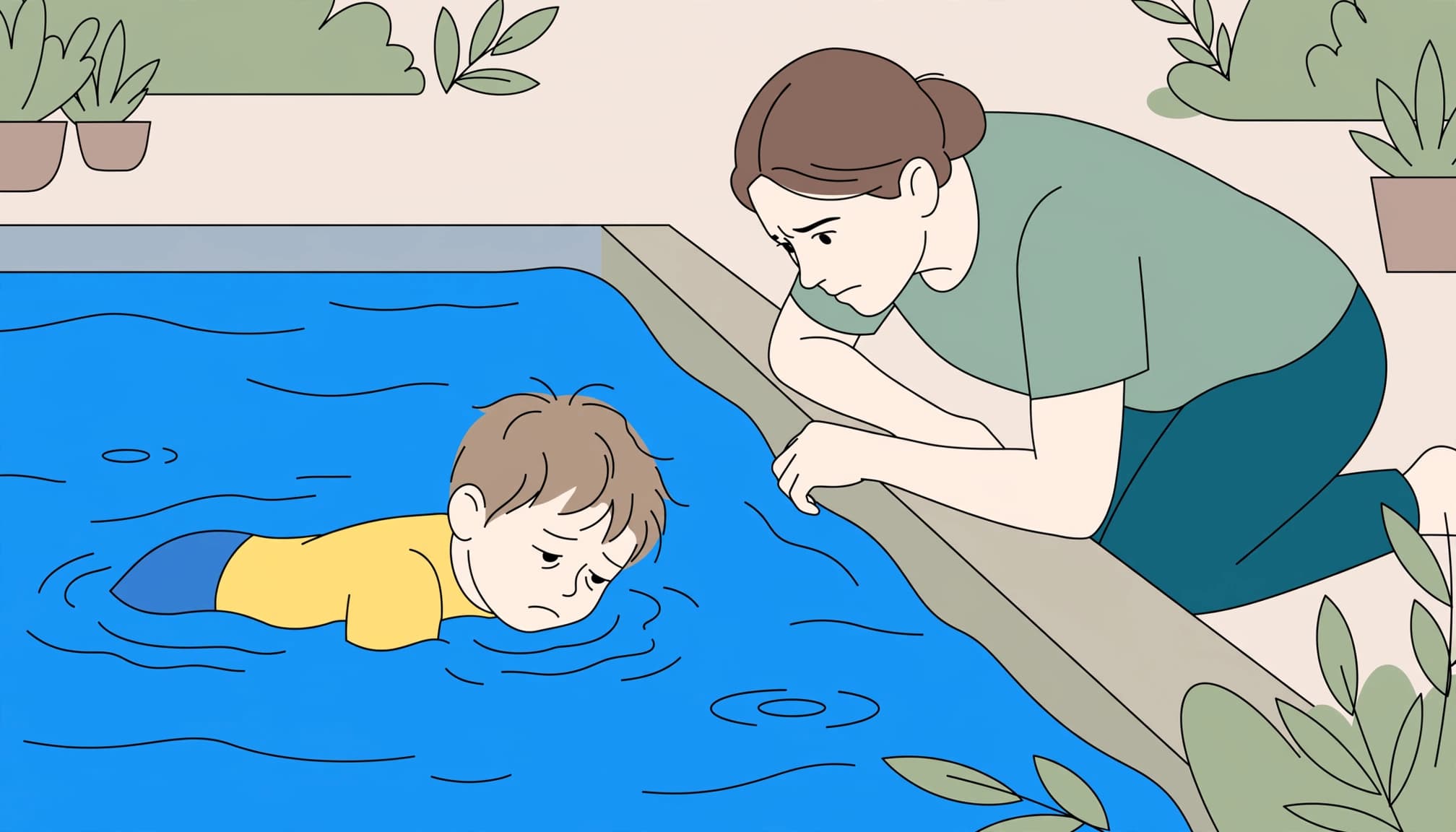
A low head or sudden stillness
Other signs include glassy eyes, gasping, hair covering the face, or repeated slipping beneath the surface. A face-down, motionless child needs immediate rescue.
A low head or sudden stillness are signs and symptoms that require immediate help. A child who stops responding or can’t reach the wall also needs help immediately.
Act Immediately When a Child Struggles
An adult should alert a lifeguard and use a reaching pole or flotation aid when possible. Rescuers shouldn’t enter water beyond their ability.
After removal, call 911 for emergency medical attention for trouble breathing, blue or gray lips, confusion, collapse, or difficulty waking.
If the child isn’t breathing normally, caregivers should begin CPR with rescue breaths and chest compressions. They should use speakerphone and follow the dispatcher’s instructions.
A child who needed rescue breaths or CPR needs emergency evaluation, even after appearing to recover.
Understand Symptoms After Leaving the Water
Brief coughing versus warning signs
UnityPoint describes a brief cough that clears within minutes, followed by normal behavior, as carrying near-zero drowning risk. Ordinary post-swim fatigue or isolated vomiting after swallowing water doesn’t establish drowning. However, repeated vomiting or unusual sleepiness alongside breathing changes needs assessment.
Seek care at an emergency department for persistent or worsening coughing, fast or labored breathing, chest pain, or altered behavior.
Baptist Health lists immediate coughing, breathing trouble, chest pain, and extreme tiredness under “dry drowning.” Banner Health, citing the American College of Emergency Physicians, also lists lethargy and mood changes.
Why published monitoring windows differ
UnityPoint describes two to three hours; Children’s Mercy’s guidance describes four to six hours. Banner Health describes onset within four hours, sometimes becoming apparent after 24 to 48 hours. Meanwhile, Parkway East advises monitoring for up to three days.
These ranges don’t justify waiting through symptoms. Non-fatal drowning is respiratory impairment caused by submersion. “Dry drowning,” “secondary drowning,” and “post-immersion syndrome” aren’t accepted medical diagnoses. A laryngospasm briefly closes the vocal cords; it does not validate “dry drowning” as a separate diagnosis.
A child with breathing impairment during submersion needs medical evaluation, even after apparent recovery. A completely well child doesn’t suddenly drown days later without preceding symptoms.
What Clinicians Check After Submersion
Clinicians measure oxygen saturation with a pulse oximeter to assess blood oxygen. They listen to the lungs and check breathing and heart rate. They assess possible lung injury or fluid buildup, called pulmonary edema.
Parkway East cites six tablespoons of inhaled water as potentially causing pulmonary edema in children. However, no measured amount can establish safety at home. Swallowing water differs from inhaling it.
Treatment centers on observation and oxygen when needed. Severe cases may require mechanical ventilation.
Although older explainers mention antibiotics or diuretics, neither is routine treatment for submersion-related breathing injury. Antibiotics may treat a separate infection.
Prevent the Next Emergency With Layers
Historical CDC figures reported by Maryland averaged 3,536 U.S. fatal drowning deaths annually from 2005 through 2014. That was about ten deaths daily, with roughly one in five victims younger than 15.
Water safety starts with a named, distraction-free watcher who supervises continuously during swimming. Infants and toddlers need an adult within arm’s reach. When watchers change, both adults should confirm the handoff to help prevent drowning.
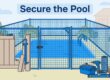
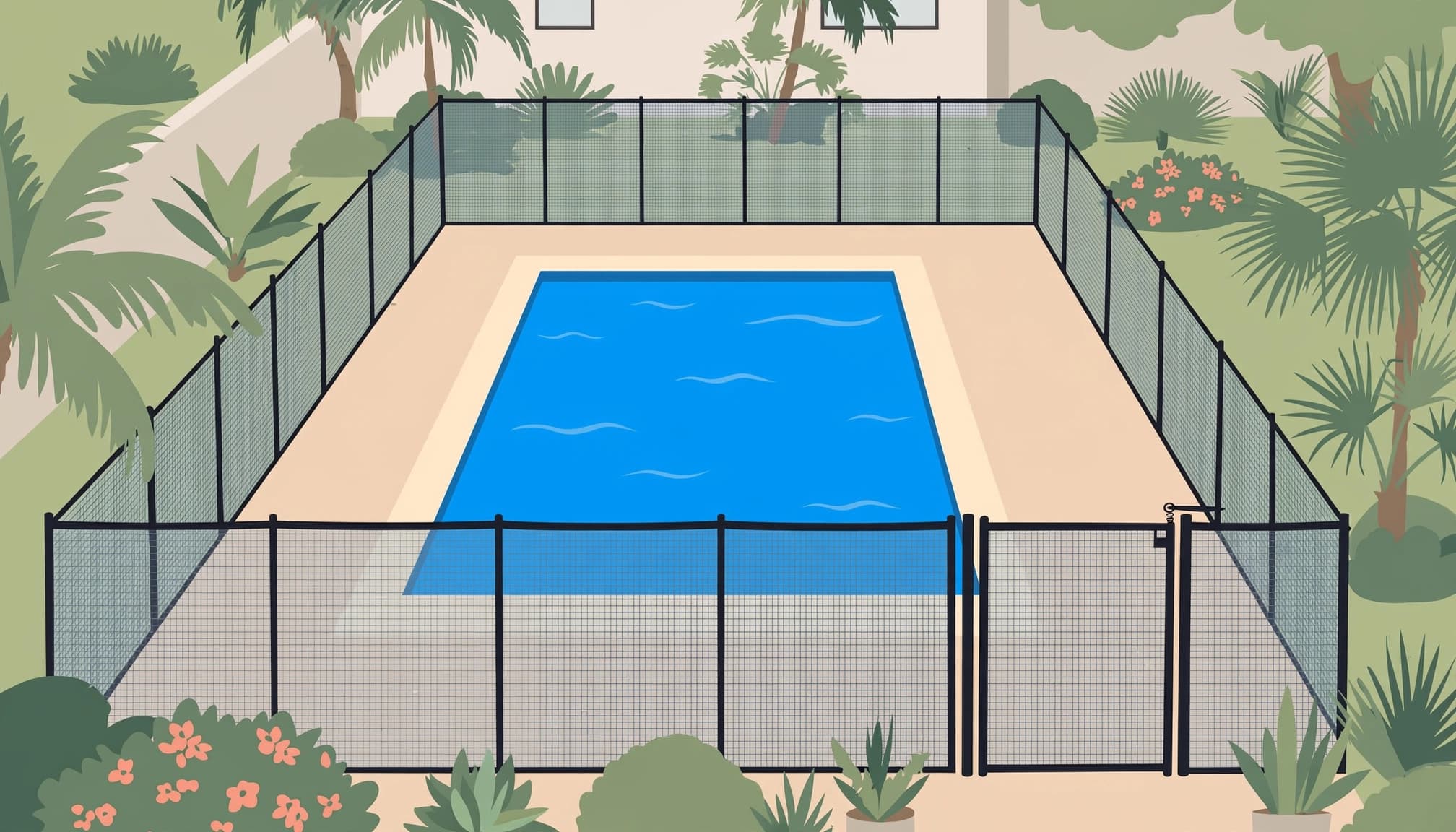
Outside swimming, four-sided removable mesh fencing separates children from the water. Keep its self-closing, self-latching gate closed, and never prop it open. Homeowners can discuss removable mesh fencing for their pool layout.
Children who need flotation support should wear a properly fitted, U.S. Coast Guard-approved life jacket. Water wings and noodles are toys, not safety devices. Swimming lessons and CPR training add protection, but neither replaces supervision.
Frequently Asked Questions
Can a child sleep after swimming?
Normal tiredness can follow swimming. “Dry drowning” isn’t an accepted diagnosis, so actual breathing or behavior changes matter. Unusual drowsiness or difficulty waking needs immediate attention.
How long should parents watch afterward?
After a minor splash with quick recovery, caregivers should watch closely for several hours. Persistent symptoms need medical assessment, not a longer home countdown.
After an incident sometimes called “near drowning,” follow the treating clinician’s observation guidance.
Does swallowed pool water mean drowning?
Swallowed water enters the stomach; drowning involves breathing impairment. A brief sputter differs from ongoing difficulty breathing.
Recognizing Trouble Supports Faster Action
Quiet struggling deserves the same attention as obvious distress. Afterward, breathing changes matter more than labels or conflicting timelines.
For homeowners, close supervision and a secure pool barrier work together. Families considering installation can Get a FREE Quote.
Questions or ready to get started? Call us at (941) 500-9484