
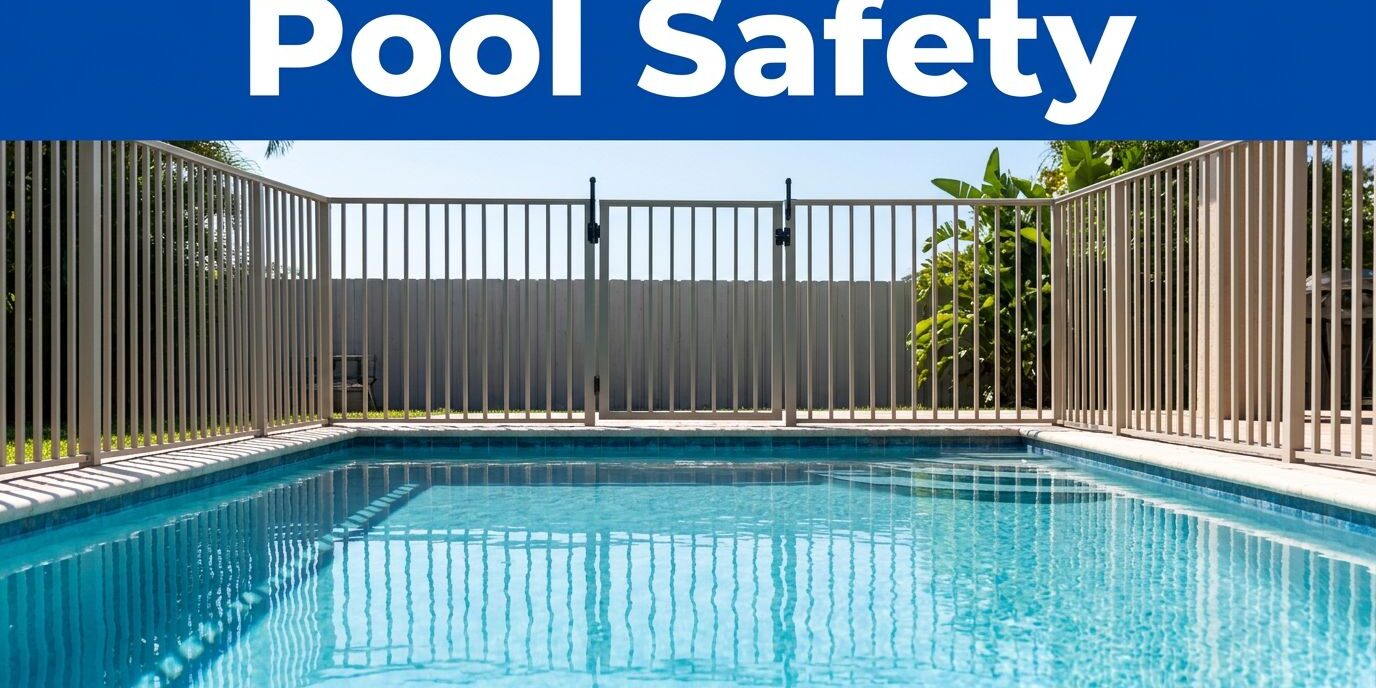
I do not think most new homeowners realize how specific Florida pool barrier laws are until they start measuring the yard. Because the Residential Swimming Pool Safety Act outlines very particular requirements, a fence that looks fine at a glance can still miss the mark if the gate, height, or gaps are wrong.
That matters fast, because a pool is not a project you can put off until later. I like to keep the rules simple and practical, as following these standards is a vital part of residential pool safety. These barriers are specifically designed to prevent unsupervised access by young children and the medically frail elderly, making it essential to check every detail before installing a thing.
If you are buying, building, or remodeling, the safest move is to know what counts as a real barrier and what does not. Pairing these physical requirements with a drowning prevention education program provides the best protection for your family. Understanding these mandates saves stress, saves money, and makes your final inspection a lot less painful.
Key Takeaways
- Every outdoor swimming pool, spa, or hot tub in Florida must be equipped with at least one approved pool safety feature.
- A compliant pool barrier must be at least 4 feet high and constructed without gaps or openings that would allow a child to crawl through or climb over.
- Gates must open outward and be both self-closing and self-latching to ensure the area remains secure at all times.
- Installing exit alarms on doors that provide direct access from the home to the pool area serves as a recognized safety alternative under state guidelines.
- Depending on your specific configuration, a safety pool cover or a high-mounted latch release mechanism may be required to maintain residential pool safety for young children.
- The barrier must encompass the pool area specifically, rather than simply enclosing the entire perimeter of the yard.
- If the layout of your property feels tight or confusing, I would get professional help before buying materials to ensure you meet all local requirements.
What Florida wants from a new pool barrier
Florida’s approach to pool security is centered on a clear mission to protect young children and the medically frail elderly from accidental drowning. Governed by the Residential Swimming Pool Safety Act and the Preston de Ibern/McKenzie Merriam Residential Swimming Pool Safety Act, specifically under Chapter 515 Florida Statutes, the law mandates that any new residential pool, spa, or hot tub built after October 1, 2000, must incorporate at least one approved safety feature. A physical barrier is the most common requirement, but it must be functional rather than purely aesthetic.
While a perimeter fence is a popular choice, the law also recognizes other safety features that meet rigorous ASTM standards. You might opt for approved exit alarms on all doors and windows with direct pool access, or perhaps a power-operated safety pool cover that meets industry-specific safety guidelines. The barrier or safety device must be fully operational before anyone begins using the pool area, as the law does not allow for a grace period once the water is filled.
It is important to remember that these regulations are strictly enforced during your final inspection. If the required safety measures are not present, you will not receive your certificate of completion, which leads to frustrating project delays. Please be aware that failing to comply with these safety requirements within 45 days of receiving a notice of noncompliance is classified as a misdemeanor of the second degree. Ensuring your pool meets these standards is not just about passing a permit process; it is a critical step in creating a safe environment for your home.
The fence measurements that matter most
This is where I slow down and check the details. The height, the gate, and the spacing are the parts that usually decide whether a fence is compliant with Chapter 515 Florida Statutes and relevant ASTM standards.
Here is the short version I keep in mind to ensure your barrier meets state requirements.
| Requirement | What I look for | Why it matters |
|---|---|---|
| Height | At least 4 feet high, measured from the outside | A shorter fence is easier to cross |
| Openings | No gaps or openings larger than 4 inches | Small children should not be able to squeeze through |
| Gate | Opens outward, self-closing and self-latching | A gate that stays open defeats the barrier |
| Latch height | Release at 54 inches or made inaccessible to young children | The latch release mechanism has to stay out of reach |
The Florida Senate Chapter 515 text outlines these standards clearly, which helps when I need to compare existing barriers against a contractor’s plan. I do not need legal drama, but I do need clear measurements that prioritize safety.
I also pay attention to the full yard layout. The barrier should be around the pool perimeter, not just somewhere nearby. A separate yard fence only counts if it actually meets the pool barrier rules where the pool sits. That is where many people get tripped up. A fence on the side yard may look helpful, but if it is not part of the primary pool perimeter, it may not satisfy the local requirements.
I also look at the deck line, the tile, and the grout near the water. Those details do not change the law, but they change how the space feels when you are checking a setback. A pool can look roomy on paper and feel tight once you are standing by the edge. During the final inspection, an official will verify these exact dimensions to ensure your property remains safe and compliant.
The mistakes I see homeowners make most often
Most problems are not dramatic. They are small misses that turn into big headaches later. A gate that swings the wrong way. A latch set too low. A gap at the bottom that looked harmless during a quick walk-through.
Here are the ones I would watch for first:
- The fence is tall enough, but the gate opens inward instead of away from the water.
- The latch works, but the latch release mechanism is not at least 54 inches high, meaning a child can still reach it.
- Poor barrier placement often leaves the pool accessible from the home, which is why state law requires exit alarms on doors that lead directly to the pool area.
- The fence has climbable rails, braces, or nearby objects that create footholds, leading to potential unsupervised access by young children.
- An aboveground pool has a barrier, but the ladder or steps are left accessible. In these cases, you might need a removable mesh fence or a safety pool cover that meets ASTM standards to properly secure the area.
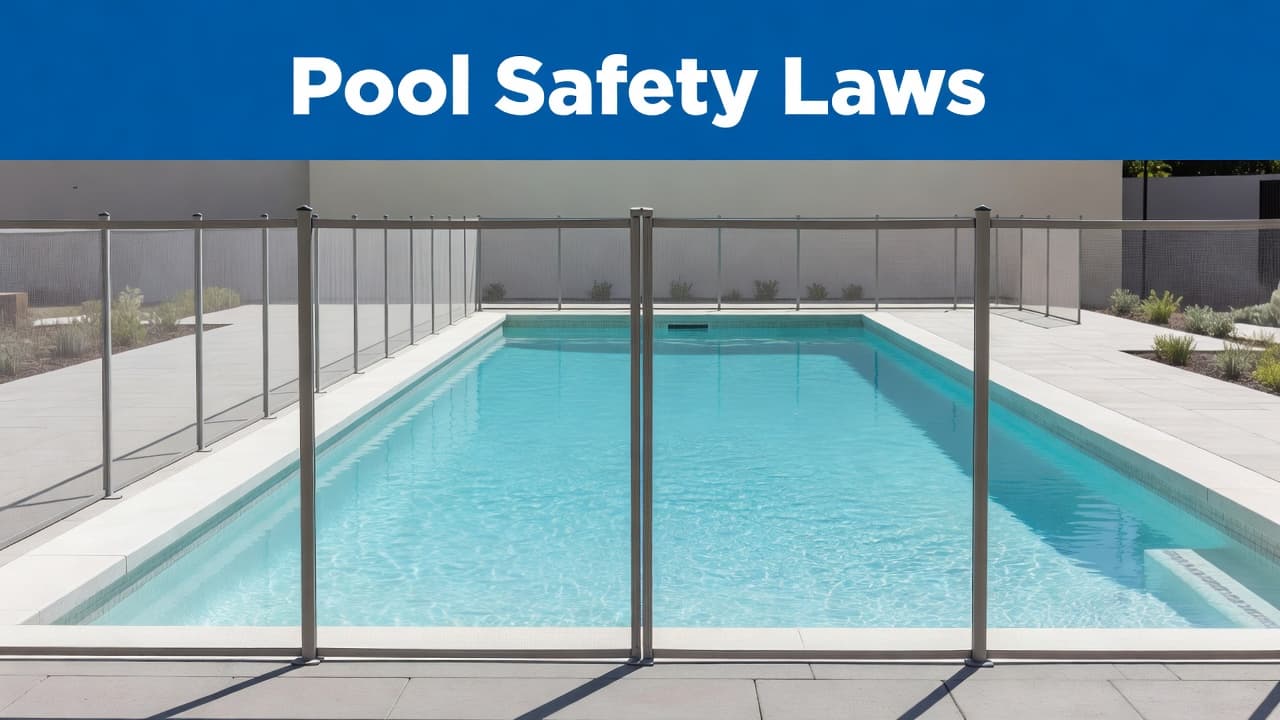
Aboveground pools can be tricky. The pool structure may count as part of the barrier if it meets the rules, but the access point still needs to be secured. That means ladders and steps matter just as much as the wall of the pool itself. If you struggle with hardware, a mesh pool fence can often be a more reliable solution for common gate issues.
I do not blame homeowners for missing these things. Most people are looking at the big picture. The law is looking at the little details.
Pretty is not enough. A compliant barrier has to work on the worst day, not the best one.
When I would call for help instead of guessing
If the yard is wide open, the code can feel straightforward. If the yard is tight, odd-shaped, or already landscaped, I would stop guessing and get a real measurement check.
That is where I would contact Pool Fence SWFL and ask for professional advice before I bought a mesh pool fence. A quick look at the space can save a lot of back-and-forth later when you are trying to navigate local regulations.
If I want pricing right away, I use Get a FREE Quote to compare the layout against the pool shape, the gate location, and the walking space around the deck. This is a vital step for residential pool safety, as experts can ensure that your chosen gates are truly self-closing and self-latching to meet strict code requirements. Taking this approach keeps me from making an expensive mistake.
I like that kind of help because it takes the pressure off. I do not want to find out at the last minute that a fence line is too close, a latch is wrong, or the plan does not fit the yard at all.
Frequently Asked Questions
Does my existing yard fence count as a pool barrier?
Not necessarily. To meet state requirements, the barrier must be specifically configured to isolate the pool area from your home and the rest of the property, not just enclose the yard perimeter. If your existing fence does not meet height, gate, or gap requirements, it will not satisfy the law.
Can I use a door alarm instead of a fence?
Yes, installing approved exit alarms on doors with direct access to the pool is a recognized safety alternative under Florida law. However, these must be fully functional and meet all state-mandated standards to be accepted during your final inspection.
What happens if I fail my pool safety inspection?
If your barrier does not meet the legal requirements, you will not receive your certificate of completion, which causes project delays. Furthermore, failure to comply with these safety mandates within 45 days of receiving a notice of noncompliance is classified as a misdemeanor of the second degree.
What new homeowners should keep in mind
Florida pool barrier laws are not there to make your backyard harder to enjoy. They exist to put a real safety layer in place before anyone starts swimming, ensuring you remain in full compliance with the Residential Swimming Pool Safety Act.
For me, the big checklist for residential pool safety is simple. I focus on ensuring the fence is at least 4 feet high, the gate is self-closing and self-latching, and that your barrier placement effectively isolates the pool from the home. If those pieces are in place, the rest of the project gets easier fast.
That is the part I would never rush. A few careful measurements now can bring a lot of peace of mind later. Keep in mind that failure to adhere to these standards can result in a misdemeanor of the second degree, and if you are cited for a violation, you typically have 45 days to resolve the issue. If you are looking for more guidance, checking in with a drowning prevention education program is a great resource for every new owner to better understand their responsibilities under the law.


